EN
EN
A Strategic Transition Period for the Global Aluminum Industry
In the global industrial landscape of 2026, aluminium is no longer merely regarded as a basic metal; instead, it is defined as the cornerstone material for "green transition" and "future construction". As the world moves towards the goal of net-zero emissions, aluminium, with its unique qualities of lightness, high strength, corrosion resistance, and nearly unlimited recyclability, is initiating a profound substitution revolution in the fields of construction, transportation, packaging, and power infrastructure.
This report was written by the ALUMTIMES market research team. Its purpose is to provide industry decision-makers with a comprehensive overview of the current global usage of aluminum products and a roadmap for their growth over the next decade, through detailed data and trend analysis.
Chapter 1: Global Aluminum Market - Macro Scale and Growth Drivers
1.1 Market Valuation and Consumption Volume
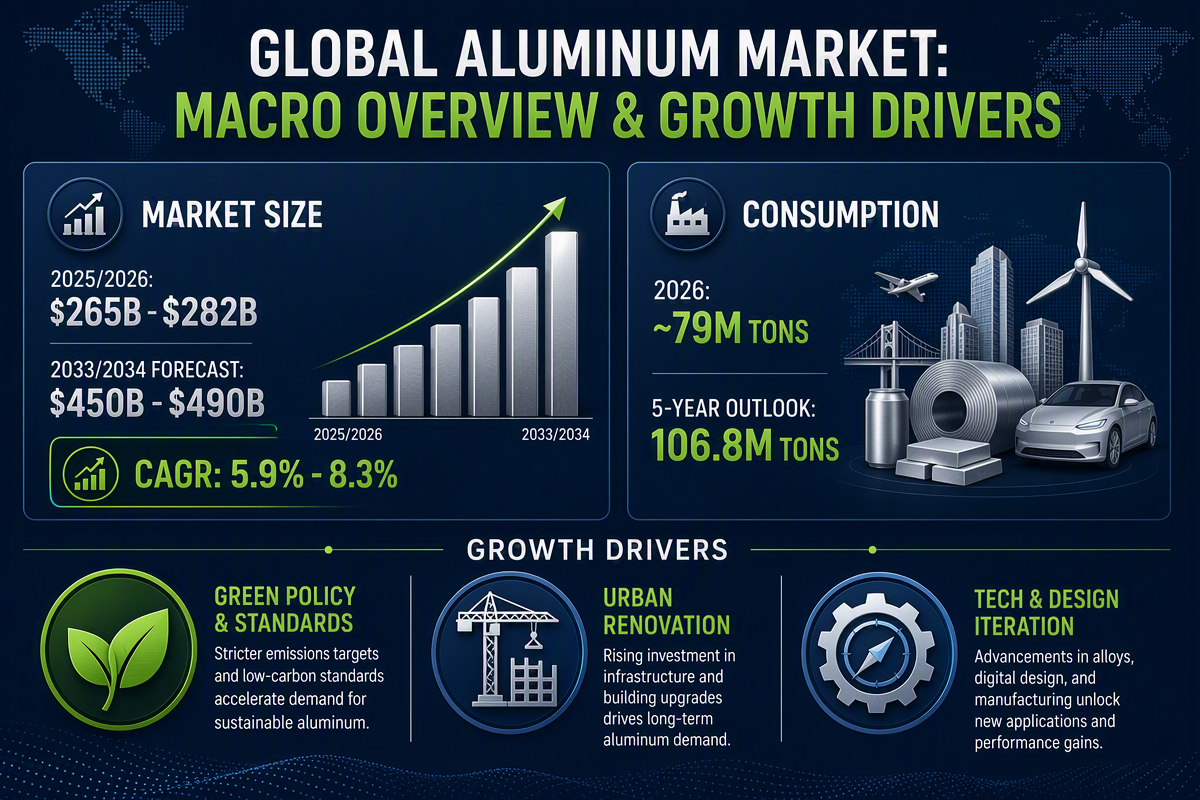
According to the latest statistics for the 2025/2026 fiscal year, the global aluminum market size has reached between 265 billion and 282 billion US dollars. With the continuous promotion of the energy structure transformation and urbanization process, it is expected that by 2033-2034, this market size will further expand to between 450 billion and 490 billion US dollars.
Consumption forecast: The total global demand for aluminum is expected to reach approximately 790 million tons in 2026 and is projected to gradually decline to 1.068 billion tons over the subsequent five years.
Compound Annual Growth Rate (CAGR): The global market maintains a stable growth range of 5.9% to 8.3%, which is significantly higher than that of most traditional bulk raw materials.
1.2 Core Growth Drivers
1. Policy Orientation: Global green building standards (such as LEED, BREEAM) have imposed strict requirements on the recyclability and energy-saving capabilities of materials.
2. Urban Revitalization Wave: Particularly in Europe and North America, the energy efficiency upgrades of old buildings are giving rise to a massive demand for lightweight aluminum curtain walls.
3. Technological Iteration: The combination of CNC precision processing and parametric design enables aluminum to achieve complex geometric shapes that were previously unimaginable.
Chapter 2: In-depth Market Research for Specific Industries
2.1 Architecture and Infrastructure: The Revolution of 3D and Lightweighting
The construction industry is the most active application field for aluminum products. By 2025, the global market value of aluminum-plastic composite panels (ACP) is estimated to be around 7 billion US dollars.
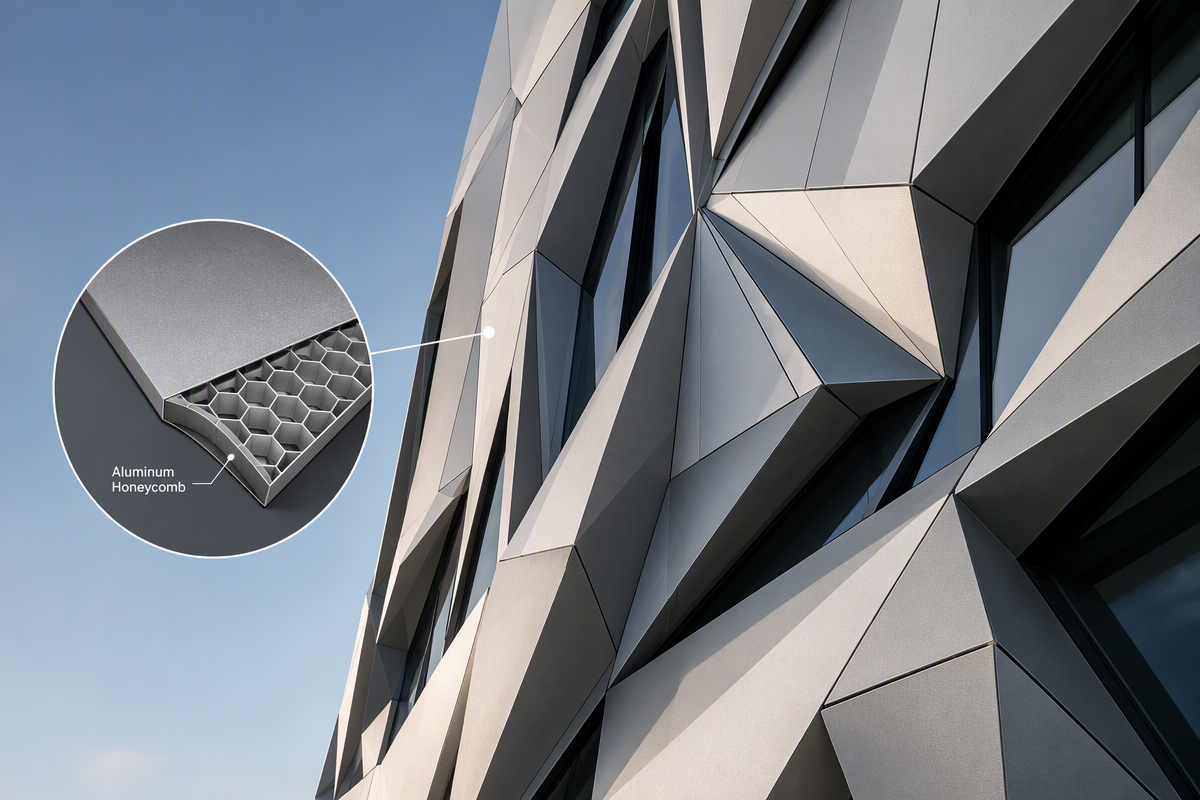
Explosive category: The aluminum honeycomb panel (Aluminum Honeycomb Panel) achieved a year-on-year growth rate of +197%. Its core selling point lies in: Compared to the physical aluminum sheet, it reduces the self-weight by 60%, while maintaining extremely high surface flatness and compressive strength. It is currently the preferred choice for the renovation of high-rise buildings and high-value commercial landmarks.
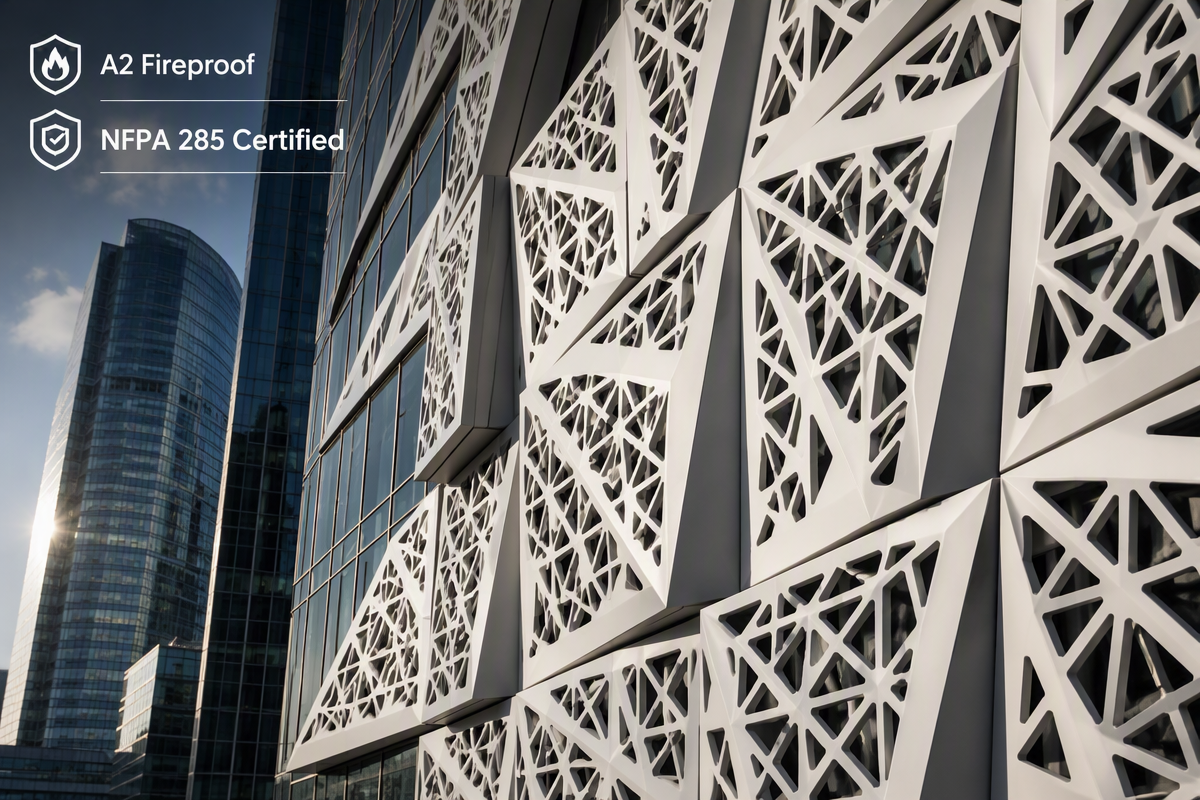
3D shaped panels: CNC laser cutting and 3D shaped aluminum panels are expanding from interior decoration to building exteriors. This "artistic enhancement" product not only increases property value but also reduces the heat gain of the building through dynamic light and shadow effects.
Chapter 3: Analysis of Regional Market Dynamics
3.1 North America (United States): Premiumization and Compliance Thresholds
The U.S. market has the highest demand intensity for individual products globally, but it is also the most competitive region.
Fireproofing standards: The market shows a strong demand for A2 non-combustible aluminum panels and those meeting the NFPA 285 test standards.
Trend: High-end projects are no longer satisfied with standard panels. Customized 3D relief and precision punched panels are taking the lead in the main bidding lists.
3.2 Europe (Spain and France): Boom Driven by Renovation Policies
3.Europe is currently one of the fastest-growing regions.
2 Europe (Spain and France): Boom Driven by Renovation Policies
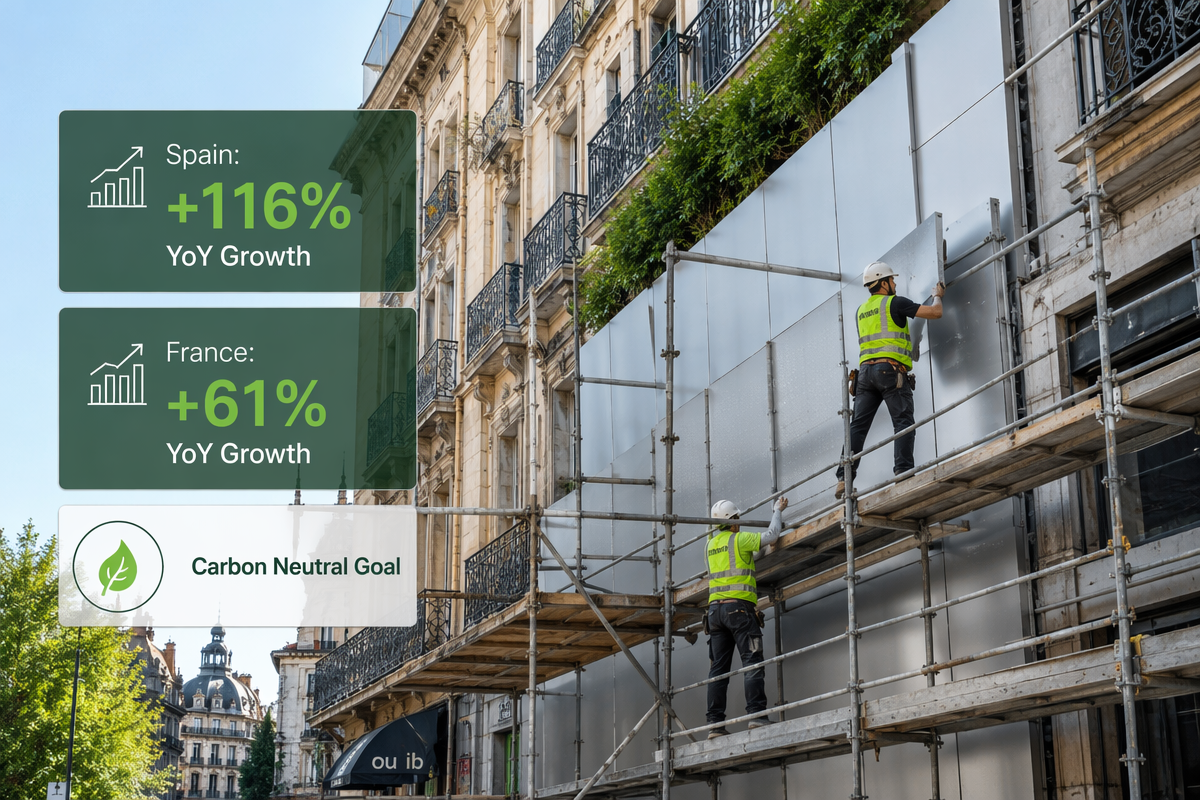
Spain: The year-on-year growth rate was as high as +116%.
Europe is currently one of the fastest-growing regions.
France: The year-on-year growth rate was +61%.
Spain: The year-on-year growth rate was as high as +116%.
Logic: The governments of southern and western European countries provided a large amount of subsidies for building energy efficiency renovations.France: The year-on-year growth rate was +61%.
Lightweight aluminum curtain walls are favored by contractors because of their fast construction and good insulation.Reasoning: The governments of southern and western European countries provided a large amount of subsidies for building energy efficiency renovations to achieve the goal of carbon neutrality. Lightweight aluminum curtain walls are favored by contractors because of their fast construction and good insulation.
3.3 Asia-Pacific (India and the Philippines): Urbanization and Smart Cities
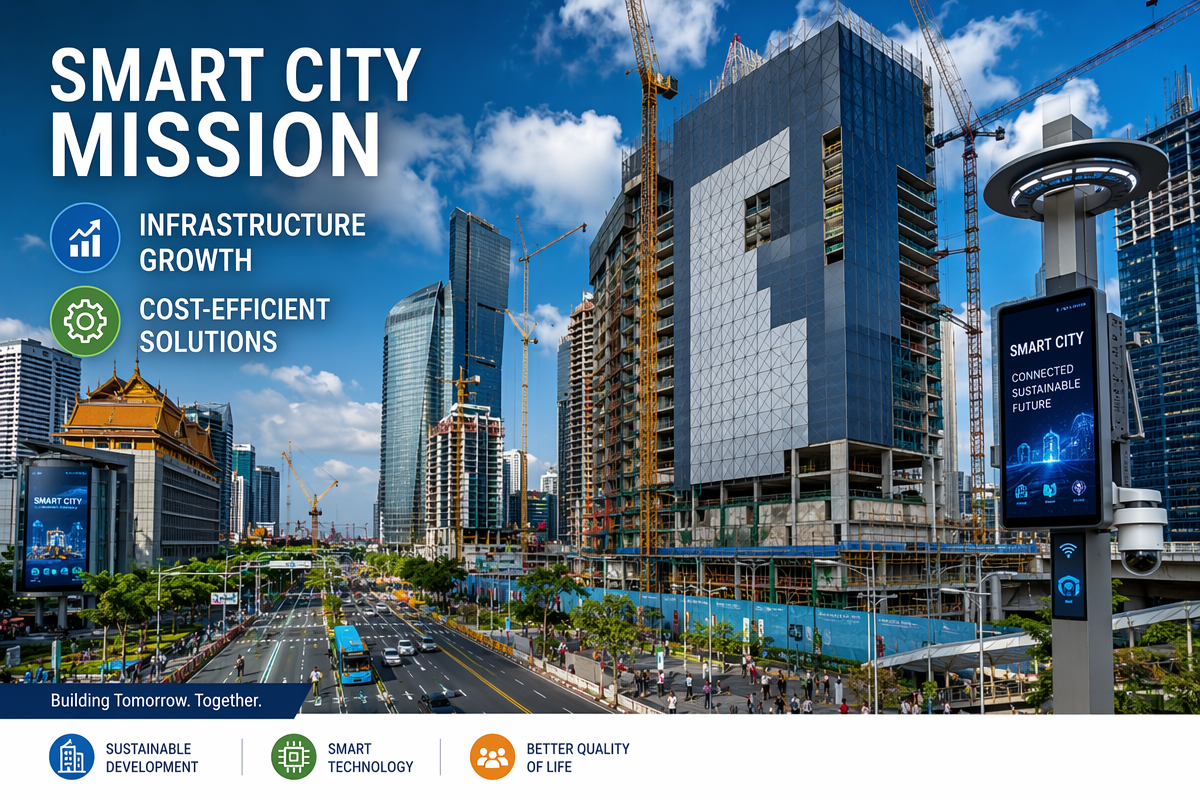
India: With the advancement of the "Smart City" initiative, the demand for infrastructure construction for economic ACP and standard aluminum profiles has experienced an explosive growth, but the market is extremely sensitive to prices.
The Philippines: The growth rate of demand is stable, serving as a representative of the infrastructure hotspots in Southeast Asia.
3.4 Africa (Ghana): Emerging Conversion Hub
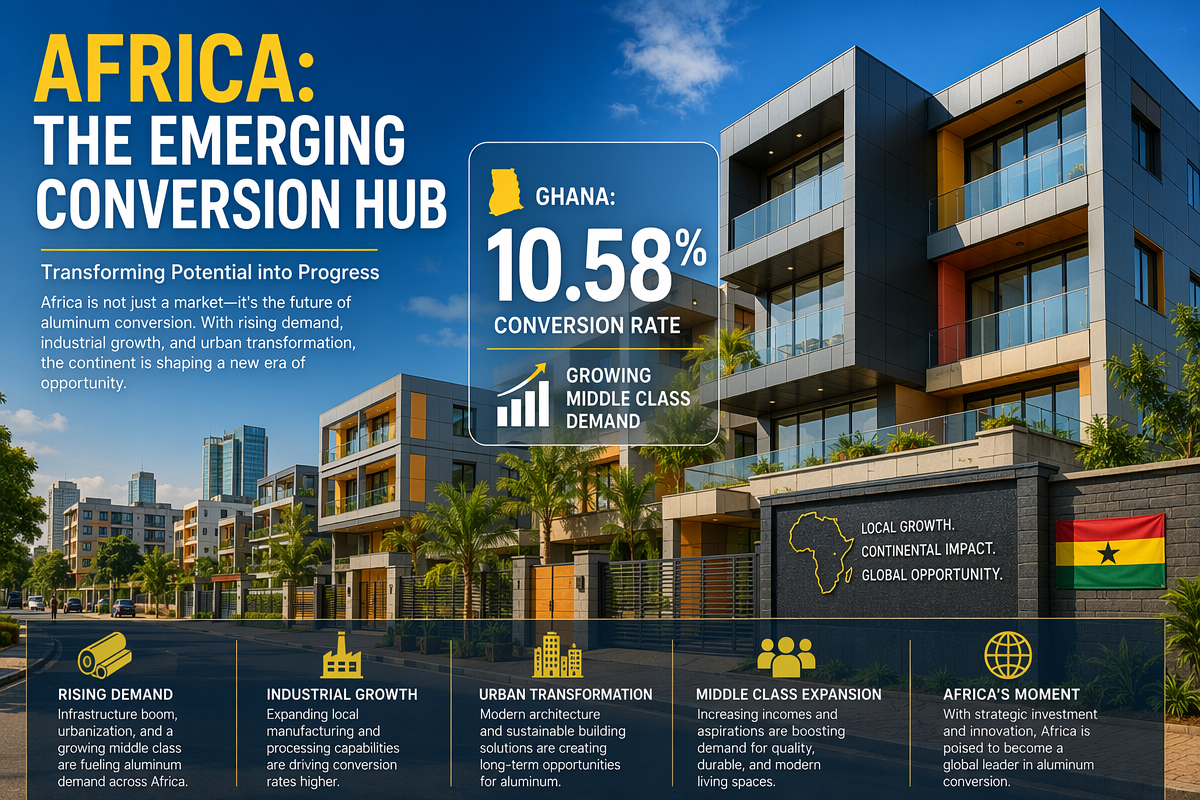
Data Insights: Ghana demonstrates remarkable potential in the West African market, with an inquiry conversion rate of 10.58%. This indicates the strong desire of the emerging middle class in the region for modern building materials, coupled with the existing shortage of supply.
3.5 Middle East: Artistic Landmarks in the Desert
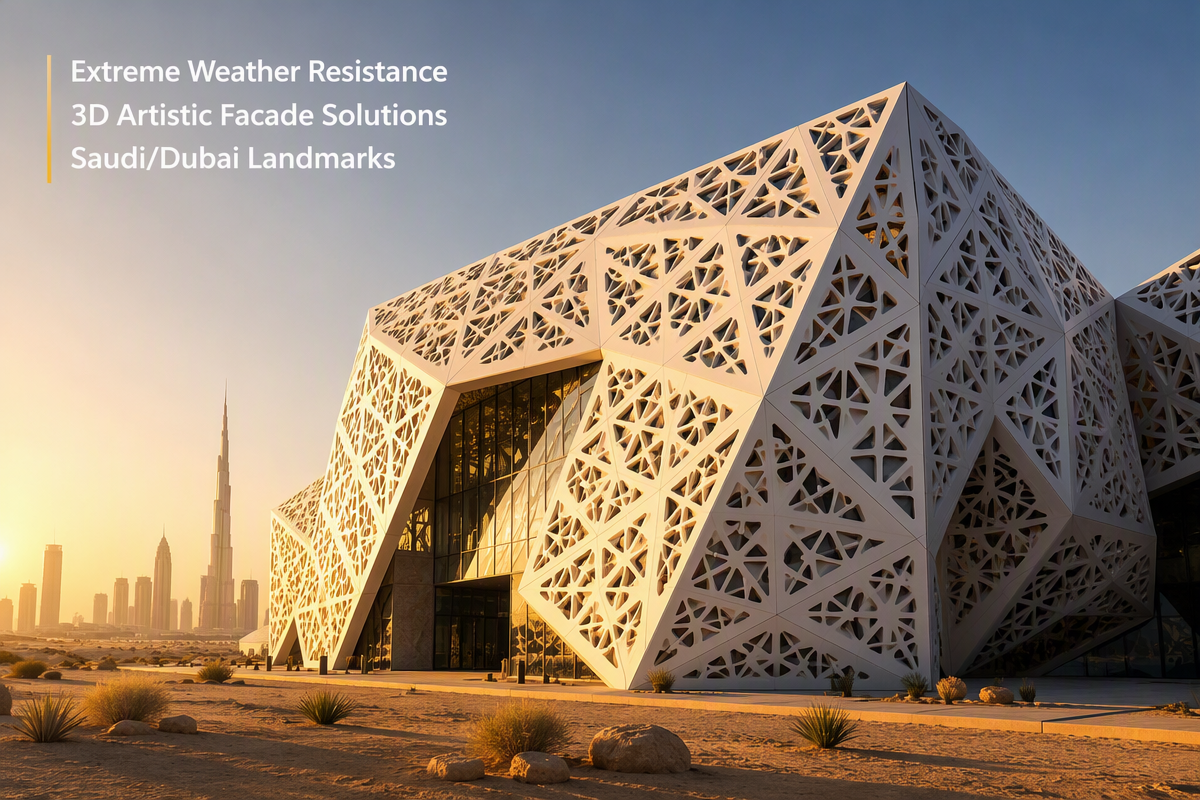
Saudi Arabia and Dubai: More than just products, they need "solutions". The luxury hotel project demonstrated a high willingness to pay for aluminum materials that can resist extreme ultraviolet rays and sand dust, and have complex 3D artistic designs.
---
Chapter Four: Technical Standards, Fire Safety and ESG
4.1 Tightening of Global Fire Protection Regulations
Safety has become the "passport" for entering the global market.
Standards such as DIN 4102 in Germany, BS 8414 in the UK, and NFPA 285 in the US have been further strengthened in 2026.
Core trend: Traditional PE (polyethylene) core materials are accelerating their replacement by mineral-filled A2/B1 grade flame-retardant core materials. Companies that fail to upgrade their fire protection certification will face the risk of being expelled from the mainstream markets in Europe and the US.
4.2 ESG and "Green Aluminum" Supply
Carbon Footprint Tracking: Buyers are now demanding that suppliers provide full lifecycle carbon footprint reports.
Green Premium: Products produced using hydropower or recycled aluminum score higher in LEED certification evaluations, gradually forming a significant market premium.
4.3 Digital and Intelligent Design
BIM Compatibility: In the bidding process for large public buildings, the ability to provide 3D product models compatible with BIM has become a necessary qualification.
Digital Twin: CNC pre-cutting and factory-end digital modeling have reduced on-site installation errors by 30%, which is highly competitive in the developed countries where labor costs are extremely high.
---
Strategic Recommendations and Conclusions
For developers and architects: It is recommended to give priority to those buildings with A2 fire safety rating and in line with low-carbon production standards, in order to strike a balance between design uniqueness and long-term asset security.
For manufacturers: They must accelerate their digital transformation by leveraging BIM models and CNC precision customization, thereby elevating the competitive dimension from "raw material supply" to "design and engineering services".
Conclusion: The global aluminum product market is currently at a critical point where it is transitioning from "scale growth" to "value growth". Those enterprises that can combine sustainability, complex design capabilities, and strict safety standards will hold a dominant position in the future global skyline competition.