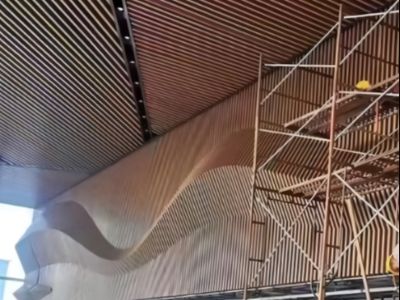
3D wall panelling is becoming more popular in homes and businesses. It adds a special look to any room. In 2026, this trend will grow even more. People want their spaces to be unique and stylish. 3D wall panels can change a boring wall into something...
VIEW MORE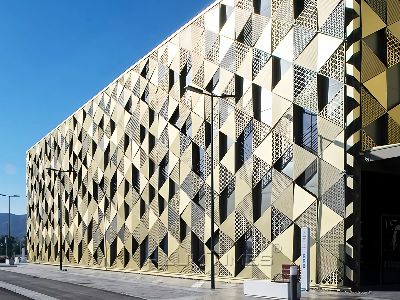
Common Glass Facade Problems and How to Solve ThemGlass facades create a modern, elegant appearance while allowing natural light to enhance interior spaces. However, they can develop issues over time if they are not designed, installed, or maintained...
VIEW MORE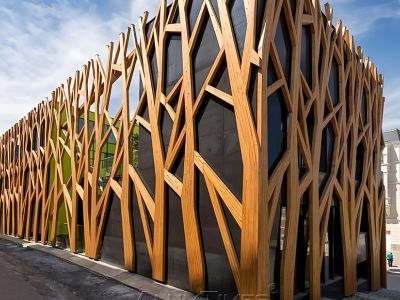
Decorative aluminum building facades are important for many reasons. They not only make buildings look good but also help protect them. People notice the outside of a building first. If it looks nice, they feel more positive about the place. At Golde...
VIEW MORE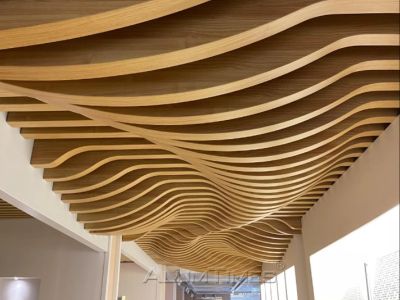
Aluminium curtain walling is a popular choice for buildings today. It is used to create beautiful and functional outer walls that let in natural light while providing insulation and protection. The aluminum panel company like Golden River f...
VIEW MORE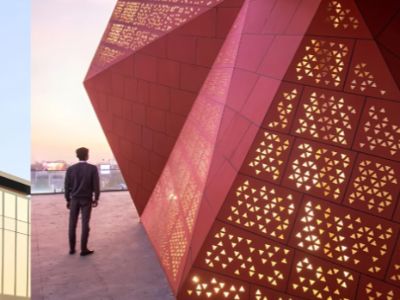
Finding the right aluminum curtain wall manufacturer is important for anyone looking to build or renovate a space. Aluminum curtain walls are not just about looks; they also help keep buildings safe and energy-efficient. Choosing a manufacturer like ...
VIEW MORE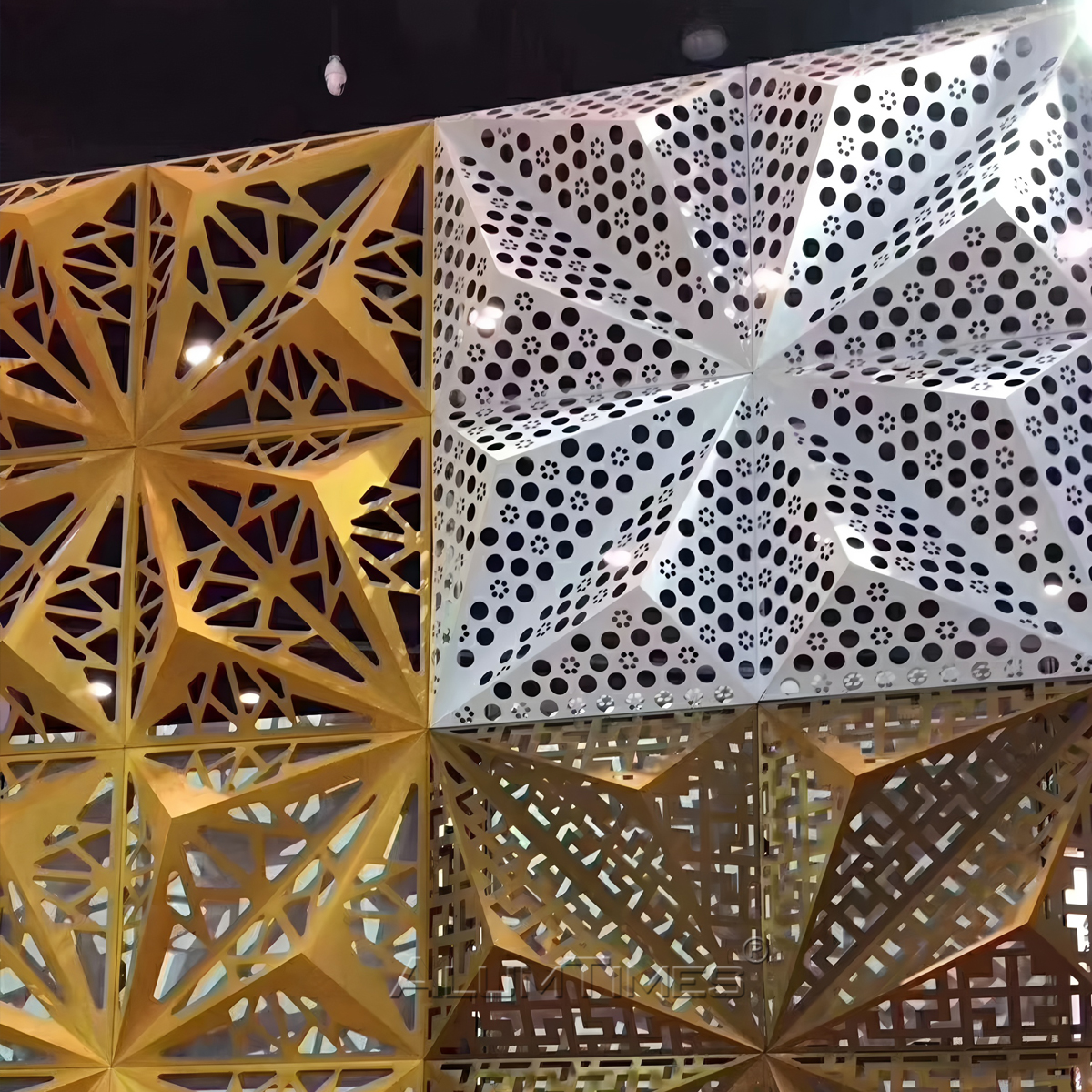
Curtain wall facades are becoming more popular in building design. They are the outer walls of buildings that do not support any weight. Instead, they are held up by the building's structure. This means that a curtain wall can be made of glass, metal...
VIEW MORE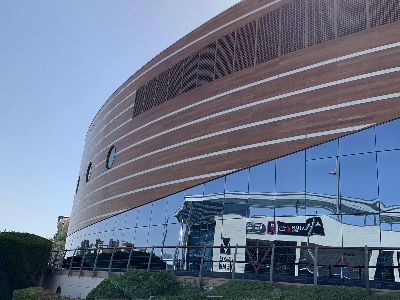
Aluminum curtain walling is a modern building technique used to create the outer shell of buildings. It is made from lightweight aluminum frames filled with glass or other materials. This type of walling has become popular because it looks good and w...
VIEW MORE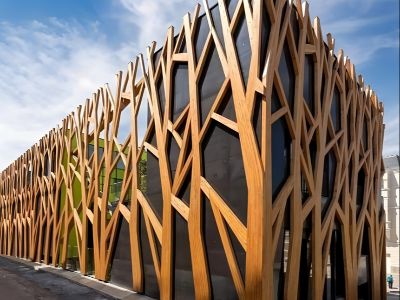
Aluminum curtain walls are becoming more popular for modern buildings. They are big panels made of aluminum and glass that cover the outside of a building. This technique helps buildings look nice while also providing important benefits. As we look a...
VIEW MORE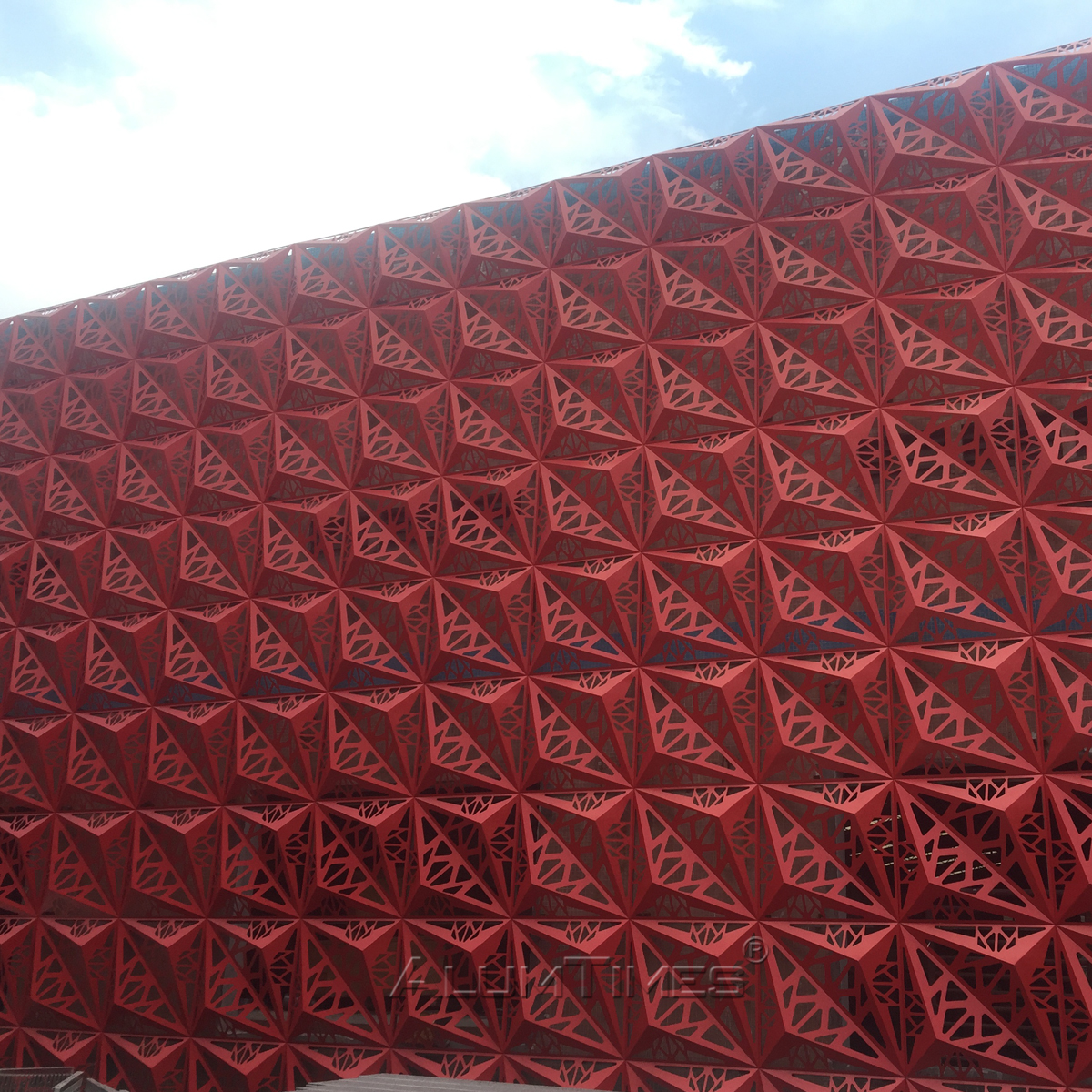
Curtain wall facade systems are important parts of many buildings. They are the outer walls that don’t support the building's weight. Instead, they hang on the structure and protect it from the weather. These walls are often made of glass and metal. ...
VIEW MORE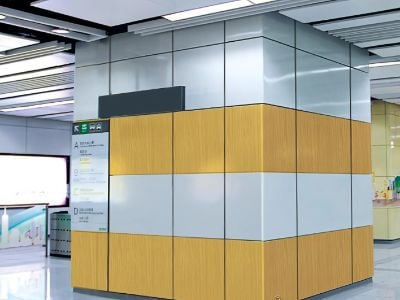
Aluminium curtain walling is becoming more popular in buildings. It's strong, lightweight, and looks great. Many people and companies will choose this material for their projects in 2026. At Golden River, we are excited about the new designs and tren...
VIEW MORE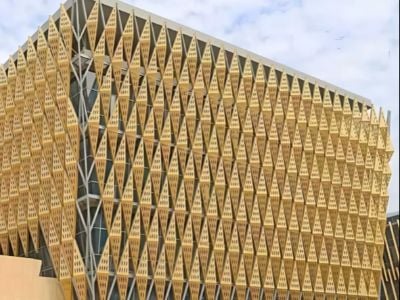
Anodized aluminum facades are becoming popular in building design. They look great and can last a long time. Our company, Golden River, specializes in making these facades, which are treated to resist wear and tear. This means they can handle tough w...
VIEW MORE
Perforated aluminum facades are becoming very important in 2026. They are used on buildings to make them look great and work well. At Golden River, an aluminum panel company, we understand how these facades can change a building's appearance whi...
VIEW MORE EN
EN