 EN
EN
Malzeme Seçimi: Performans, Güvenlik ve Estetiğin Dengesi
Yüksek Performanslı Alüminyum Alaşımları ve Yapısal Çekirdek Sağlamlığı
Dekoratif cephe sistemleri söz konusu olduğunda, doğru alüminyum alaşımlarını seçmek tüm farkı yaratır. 5000 ve 6000 serileri, çelikten yaklaşık üç kat daha hafif olmalarına rağmen muhteşem bir dayanıklılık sunmalarıyla öne çıkar. Ayrıca bu malzemeler doğal olarak korozyona dirençlidir ve sıcaklık değişimlerini oldukça iyi karşılar. Alüminyum kompozit panellere (ACP’ler) gelince, rüzgârın hızlandığı durumlarda çekirdeğin bütünlüğünü korumak gerçekten kritiktir. Minerallerden oluşan çekirdekler, burada ara sıra yaşanan şiddetli fırtınalar sırasında bile şekillerini korur. Bu nedenle mühendisler, alaşım oranlarını doğru ayarlamak ve metalin işlenme sürecini kontrol etmek için çok fazla zaman harcarlar. Böylece binalar, kimseye risk oluşturmadan şık, modern görünümler ve ilgi çekici formlar kazanabilir.
PVDF, Anodize Edilmiş ve Dokulu Yüzey İşlemeleri: Dayanıklılığı İklim Koşullarına ve Tasarım Amacına Uyarlama
Bir binanın dış cephesinin ne kadar süre dayanacağı, aslında o binanın maruz kaldığı hava koşullarına ve tasarımcının elde etmek istediği görünümüne göre doğru yüzey kaplamalarının seçilmesine bağlıdır. PVDF kaplamalar, AAMA 2605 standartlarına göre sertifikalandırılmıştır ve güneş altında otuz yıl boyunca orijinal renklerinin yaklaşık %90’ını koruyabilir; ayrıca kıyı bölgelerindeki tuzlu havaya karşı da oldukça iyi direnç gösterir. Güneşin yoğun olduğu ve kurak sıcaklık egemen olduğu bölgelerde anodize yüzey kaplamaları oldukça etkilidir çünkü bu kaplamalar kolayca soyulmayan sağlam bir koruyucu tabaka oluşturur. Fırçalanmış metal, kabartma desenleri veya rüzgârla taşınan kumun sürekli sürtünmesine maruz kalan ve yoğun yaya trafiğine sahip alanlarda çizilmeleri gizlemek için kullanılan özel prizmatik tasarım gibi dokulu yüzeyler, bu tür mekanlarda çizilme izlerini daha iyi gizler. Çoğu mimar, yüzey kaplamalarını seçerken estetik faktörleri de göz önünde bulundurur. Mat PVDF kaplamalar, günümüzde birçok müşteri tarafından tercih edilen temiz ve modern bir görünüm kazandırırken, anodize alüminyumun parlak metalik yüzeyi, çağdaş mimariyle uyumlu şık bir dokunuş sağlar. Yerel olarak güneş şiddeti, kirlilik düzeyi ve nem oranı gibi faktörleri dikkate alan binalar, iklim kaynaklı stresle ilgili sorunları çok daha az yaşar. Çalışmalar, bu faktörlerin inşaat aşamasında dikkate alınmasının, hava koşullarına bağlı arızaları, bu unsurları göz önünde bulundurmayan binalara kıyasla yaklaşık üçte ikisi oranında azalttığını göstermektedir.
ACP Yangın Güvenliği Gerçekleri: Görsel Çeşitliliği Zedelemeksizin Yanmazlık Standartlarında Yönlendirme
Alüminyum kompozit panellerle yangın güvenliği sağlamanın doğru yolu, minimum standartları karşılamakla yetinmeden malzemelere çok daha dikkatli bakmayı gerektirir. ASTM E84 standartlarına göre Sınıf A olarak derecelendirilen, alevlenmeye dirençli mineral çekirdeğe sahip paneller, alevlerin çok hızlı yayılmasını engeller ve genellikle yayılımı 25 fitin (yaklaşık 7,6 metre) altına tutar. Bu, tasarımcıların hafif malzemelerden gerekli esnekliği tam olarak koruyabilmeleri açısından oldukça olumlu bir haberdir. En az %90 mineral içeriğine sahip yeni nesil ACP’ler? Görünüşten hiçbir şey feda etmez. Dijital baskılar sorunsuz çalışır, metalik yüzeyler muhteşem görünür ve zengin renkli PVDF kaplamalar ya da anodize yüzeyler tamamen mümkündür. Tüm panel sistemi boyunca uygun termal bariyerler eklenirse burada gerçekten önemli bir gelişme yaşanır: normal polietilen çekirdekli panellere kıyasla duman toksisitesi yaklaşık %70 oranında düşer. Bu durum, yangın başlangıcı kolay olan yerlerde ya da düzenli olarak çok sayıda insanın toplandığı alanlarda büyük bir fark yaratır.
Estetik Yenilik: Dekoratif Alüminyum Bina Cephe Sistemleriyle Görsel Etkiyi Maksimize Etme
Mimarlar, bina dış cephelerini dinamik görsel ifadeler haline getirmek için alüminyumun şekillendirilebilirliği, dayanıklılığı ve yüzey işlem uyumluluğu gibi benzersiz özelliklerinden yararlanır. dekoratif alüminyum bina cephesi hem sanatsal bir tuval hem de yüksek performanslı bir dış kaplama işlevi görür; bu da dayanıklılık, enerji verimliliği veya mevzuata uyum açısından hiçbir şey feda edilmeden ifade özgürlüğüne olanak tanır.
Renk Stratejileri—Gradyanlar, Kromatik Ritim ve Bağlamsal Renk Bloklama
İyi bir renk stratejisi, yalnızca yüzeyleri boyamaktan çok daha fazlasını içerir; aslında insanların mekânları ve çevrelerini nasıl algıladıklarını şekillendirir. Gradyanlar, dikey (yukarı-aşağı) ya da yatay (yan-yana) uygulandığında düz duvarlara gerçek boyutlarından daha derin bir görünüm kazandırabilir. Bazı tasarımcılar, büyük ölçekli uygulamalarda görsel bir ritim yaratmak amacıyla tekrarlayan renk desenleriyle 'kromatik ritimler' üzerinde de oyunlar oynar; bu da tüm unsurların kompozisyonel olarak daha uyumlu bir bütün oluşturmasını sağlar. Belirli bir çevreye entegre edilmesi gereken binalar için bağlamsal renk bloklama (renk bölgelendirme) oldukça etkilidir. Yapıya yerel taş renklerinden, yakın çevredeki manzaralardan veya hatta kültürel motiflerden ilham alarak, yapının bulunduğu konumda tam olarak 'evinde hissedilmesini' sağlamak mümkündür. Günümüzün çoğu modern sistem, yaklaşık yirmi yıl boyunca solmayacak yüzlerce standart renk sunan anodize alüminyum ve PVDF kaplamalar kullanmaktadır. Bu durum, mimarların canlı renklerinin yıllarca korunacağını ve kuruldukları ortamla doğal bir şekilde bütünleşeceğini bilerek renk seçimlerinde oldukça hassas ve kesin hareket etmelerini sağlar.
| Teknik | Görsel Efekt | İklim Dikkate Alınması |
|---|---|---|
| Gradyanlar | Derinlik artırımı | UV'ye dayanıklı kaplamalar gerektirir |
| Renksel Ritim | Ritmik hareket algısı | Yüksek güneşli iklimlerde yansıtma özelliği ayarlanabilir olabilir |
| Bağlamsal Engelleme | Alanla uyum sağlama | Bölgesel renk psikolojisi ve yerel göstergelere dayalı |
Boyutsal İfade — Delikler, Modüler Paneller ve Parametrik Detaylı İşleme
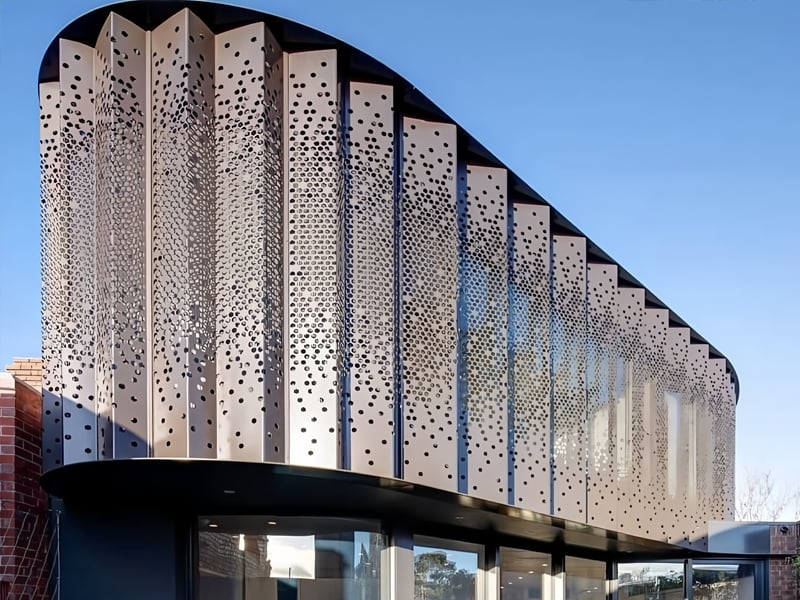
Alüminyumla çalışırken, üç boyutlu teknikler, basit kaplama malzemelerini mimari açıdan çok daha ilginç bir şeye dönüştürebilir. Lazer kesim işlemi, gün içinde güneşin konumuna bağlı olarak görünümünü değiştiren bu muhteşem delikli ekranları oluşturur. Bu modüler paneller, inşaatçıların çoğunlukla bağlantı noktalarını görünmez hâle getirerek gerçekten karmaşık şekiller yaratmalarına olanak tanır. Geleneksel yöntemler genellikle tüm vidaları ve cıvataları sergilerken, bu yeni yaklaşım görünen donanım miktarını yaklaşık %40 oranında azaltır. Ardından parametrik tasarım gelir; bu da temelde bilgisayarların, yük taşıma kapasitesi ve güneş ışınlarının açılarına tepki veren akıcı desenleri oluşturmasına yardımcı olduğu bir yaklaşımdır. Bunun ne kadar etkileyici olduğu, bu dijital hesaplamaların sanatsal ifadelerle tam olarak bütünleşmesinde yatmaktadır; böylece binalar hem yapısal bütünlüğe hem de görsel çekiciliğe sahip olur.
Enerji Verimli Entegrasyon: Isıl Performans ve Havalandırmalı Cephe Tasarımı
Havalandırmalı Boşluk Optimizasyonu ve Alüminyum Kaplama'da Isı Köprüsü Azaltımı
Havalandırmalı boşlukların tasarımı, alüminyum cephe sistemlerinin pasif termal performansını nasıl yönettiğinde kritik bir rol oynar. Yaklaşık 20 ila 50 mm’lik bir hava aralığı, sıcak hava aylarında fazla güneş ısısını uzaklaştırmaya yardımcı olan doğal konveksiyon akımlarının oluşması için oldukça etkilidir; ancak aynı zamanda kış aylarında sıcaklık düştüğünde uygun yalıtımı da sağlar. Bununla birlikte, alüminyumun ısıyı çok kolay iletmesi nedeniyle termal köprüleşme hâlâ büyük bir endişe kaynağıdır. Bu sorunu gidermek amacıyla mimarlar, kaplama sisteminin iç ve dış katmanları arasında genellikle polimer tabanlı termal kesintiler (termal bariyerler) kurarlar. Testlere göre bu küçük cihazlar ısı transferini %60’a varan oranlarda azaltabilir. Tüm bunlarla birlikte yüksek kaliteli hava bariyerleri kullanmak da önemli bir fark yaratır. Bu yöntemlerle inşa edilen binalarda, HVAC sistemleri yıl boyu %15 ila %30 daha az çalışır. Bunun harika yanı ise, bu tüm iyileştirmelerin alüminyum cephe sistemlerinin günümüzde yapı tasarımcıları arasında popüler olmasının temel nedeni olan temiz hatları ve modern görünümü bozulmamasıdır.
Mimari Kimlik: Form, Bağlam ve Gece Varlığının Geliştirilmesi
Alüminyum cephe sistemleri, binaların çevresine nasıl uyduğunu üç ana yönüyle belirleyebilir: yerel çevreyle uyum sağlama, hacim ve form ifade etme ve gece görünümünü değiştirme. Mimarlar, etraflarındaki mevcut yapıları, insanların mekânlarda nasıl hareket ettiğini ve kültürel olarak neyin anlam ifade ettiğini göz önünde bulundurarak, tarihe saygı duyan ancak aynı zamanda komşu yapılarla görsel olarak da iletişim kuran desenler oluştururlar. Gündüz boyunca bu cephe sistemleri, panellerdeki katlamalar, dişler ve delikler tarafından oluşturulan gölgelerle canlanır. Çalışmalar, bunun derinlik algısını yaklaşık %40 oranında artırabileceğini göstermektedir; ancak gerçek dünya sonuçları konumun özelliklerine göre değişkenlik gösterebilir. Gece ise LED aydınlatma devreye girdiğinde durum tamamen değişir. Yukarıdan aydınlatma (uplight), sütunlar ve metal dişler gibi düşey unsurları vurgular; yan aydınlatma ise genellikle fark edilmeyen dokuları ve malzeme detaylarını ortaya çıkarır. Binanın şehir ışıkları karşısında net bir şekilde öne çıkabilmesi için cephenin parlaklığı ile çevresindeki alanlar arasında en az 2’ye 1 bir parlaklık farkı bulunmalıdır. Bu denge, tasarımı komşu yapılarla çatışmadan ifade edebilmesini sağlar. Sonuçta ortaya çıkan, hem kelimenin tam anlamıyla hem de mecazi anlamda çevresine cevap veren bir mimaridir: karanlıkta canlı görünürken gündüz saatlerinde sağlam ve dayanıklı hissettirir; mevsimler geçtikçe ve kullanım kalıpları zaman içinde değişerek sürekli kendini yeniler.
SSS
Dekoratif cephe uygulamalarında alüminyum alaşımlarının kullanılmasının avantajları nelerdir?
Alüminyum alaşımları, özellikle 5000 ve 6000 serileri, çelikten önemli ölçüde daha hafif olmalarına rağmen yüksek mukavemet gösterir, korozyona dirençlidir ve sıcaklık değişimlerine iyi dayanır; bu nedenle dekoratif cephe uygulamaları için idealdir.
PVDF kaplamalar ve anodize yüzey işlemleri, cephe dayanıklılığına nasıl katkı sağlar?
PVDF kaplamalar, on yıllar boyunca renklerini korur ve tuzlu hava gibi zorlu çevre koşullarına dayanır; buna karşılık anodize yüzey işlemleri soyulmaya karşı koruyucu bir tabaka oluşturur ve bu nedenle güneşli ve kurak sıcak bölgeler için uygundur.
Alüminyum cephe sistemleri enerji verimliliğini nasıl artırabilir?
Doğal konveksiyon akımları oluşturan havalandırılmış boşluklar ve polimer tabanlı termal kesintiler ile ısı köprüsü etkisinin azaltılması sayesinde alüminyum cephe sistemleri pasif termal performansı artırır ve HVAC yükünü azaltır.
Renk stratejileri cephe tasarımında hangi rolü oynar?
Renk stratejileri, gradyanlar ve bağlamsal bloklama da dahil olmak üzere, mekân algısını şekillendirmeye yardımcı olur ve binaların canlı ve dayanıklı renklerini korurken çevreleriyle uyumlu bir şekilde yerleştirilmelerini sağlar.
İçindekiler Tablosu
- Malzeme Seçimi: Performans, Güvenlik ve Estetiğin Dengesi
- Estetik Yenilik: Dekoratif Alüminyum Bina Cephe Sistemleriyle Görsel Etkiyi Maksimize Etme
- Enerji Verimli Entegrasyon: Isıl Performans ve Havalandırmalı Cephe Tasarımı
- Mimari Kimlik: Form, Bağlam ve Gece Varlığının Geliştirilmesi
-
SSS
- Dekoratif cephe uygulamalarında alüminyum alaşımlarının kullanılmasının avantajları nelerdir?
- PVDF kaplamalar ve anodize yüzey işlemleri, cephe dayanıklılığına nasıl katkı sağlar?
- Alüminyum cephe sistemleri enerji verimliliğini nasıl artırabilir?
- Renk stratejileri cephe tasarımında hangi rolü oynar?