 EN
EN
Design Versatility and Aesthetic Customization of Aluminum Cladding Ceilings
Adaptability Across Architectural Styles and Interior Typologies
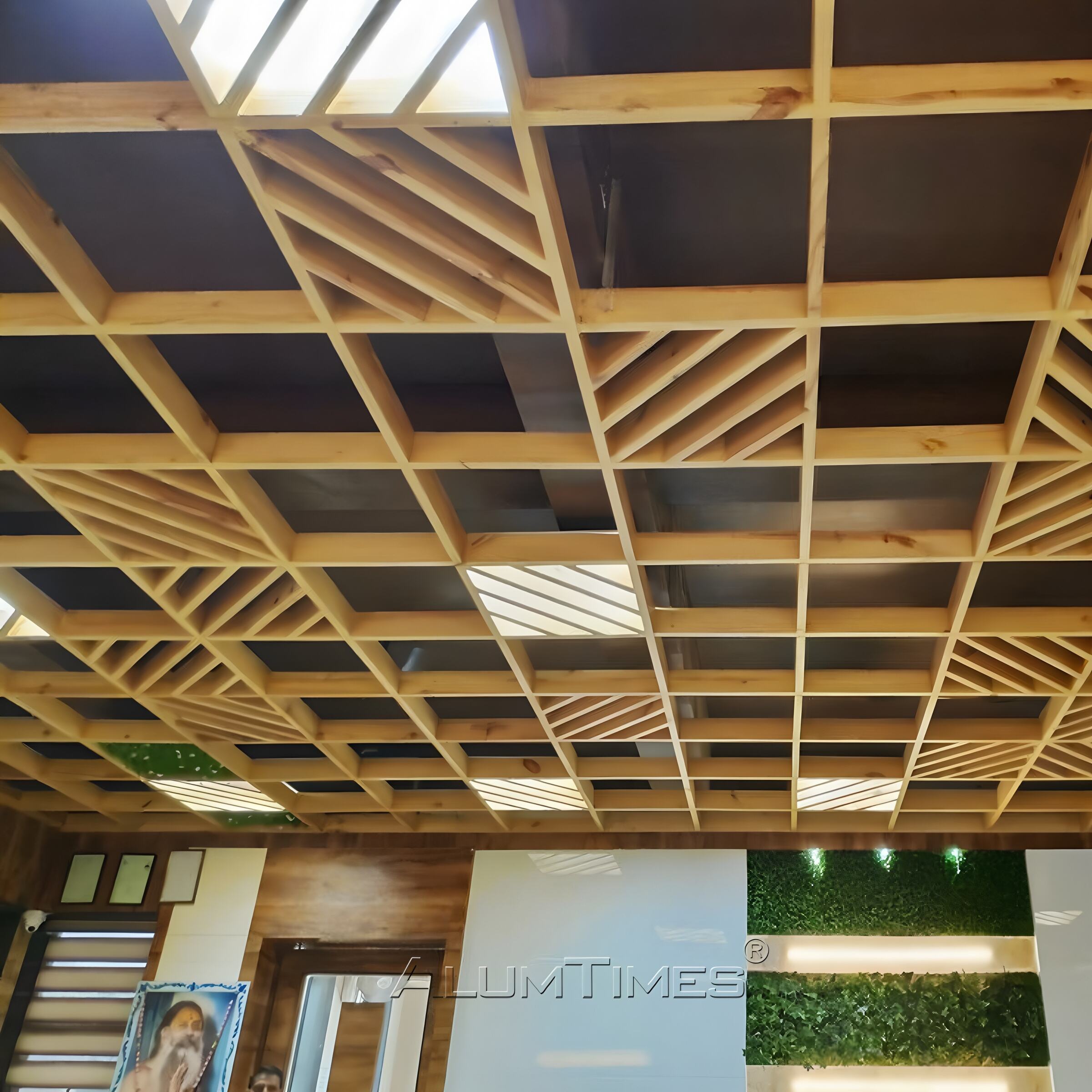
Aluminum cladding ceilings work really well in all sorts of buildings these days. Think about those sleek corporate offices with their modern look, old fashioned lobby areas that need some updating, even noisy schoolrooms where sound control matters. The way these ceilings are built in modules lets them fit into pretty complicated spaces. And because aluminum bends so easily, it can wrap around support columns, follow curved walls, or match weird ceiling shapes without looking forced. Hospitals love this stuff because the surface doesn't trap germs, which is huge for keeping things clean. Retail stores get something different out of it too – when panels look the same throughout a space, it helps create that branded atmosphere customers remember. Most big name manufacturers will tell anyone who asks that about 9 out of 10 projects need special sized panels. Makes sense really, since nobody wants to mess around with cutting things on site after installation.
Innovative Panel Configurations: Perforated, Curved, and Mesh Options
Modern aluminum ceilings go way beyond just flat surfaces, bringing both function and artistic flair through options like perforated designs, curves, and mesh arrangements. The holes in these panels actually help people hear better in big office spaces, plus they hide those LED lights so everything looks neat and uniform from afar. Some really cool stuff happens when we curve these panels too. They can bend pretty tightly around corners at about 150mm radius without breaking apart, which makes buildings feel more flowing rather than boxy, especially good for places like concert halls or busy train station areas. Mesh versions let light pass through while still controlling how much air moves around, perfect for spots where ventilation matters most such as train platforms or large building atriums. All these different styles tackle real world problems but still manage to look great together in any space.
Color, Finish, and Brand Integration for Spatial Identity
Aluminum works really well with all sorts of looks and treatments these days. We're talking about things like those durable PVDF coatings, nice shiny anodized finishes, even special textured laminates that look just like real wood grain or brushed metal surfaces. The different surface options matter a lot too. Matte finishes are great for hiding fingerprints, while glossy ones reflect light beautifully. Metallic surfaces add some sparkle without being too flashy, and anti-fingerprint treatments keep everything looking clean even after constant use in busy areas. When companies want their space to match their brand colors exactly, custom color matching becomes essential. Many businesses have started treating their ceiling installations almost like branded artwork rather than just functional elements. A recent industry report from 2023 showed something interesting - around three out of four architects specified custom finishes last year. They seem to value not just how materials look initially but also how they hold up over time against everyday wear and tear.
Performance Advantages: Fire Resistance, Moisture Resilience, and Chemical Durability
Superior Fire Safety Compliance in Commercial and Public Buildings
Aluminum cladding for ceilings doesn't burn and gets top marks on fire tests (Class A rating) which goes beyond what most building codes require around the world. These materials don't help fires spread and won't give off much toxic smoke when they do catch, making them safer choices for places where people need to get out quickly like hospitals, big airports, or concert halls. What's really important is that these ceiling systems stay strong even at temperatures over 600 degrees Celsius. This means walls and rooms remain separated during emergencies, giving occupants more time to escape safely. From an insurance standpoint, this kind of performance makes a big difference in how risks are assessed for buildings.
Moisture and Corrosion Resistance for High-Humidity or Industrial Environments
The natural oxide layer on aluminum gives it corrosion protection that just beats out most other metals, even when exposed to salty air, steam, or occasional chemical spills over time. Because of this property, aluminum works really well in places like around swimming pools, along food production lines, and inside pharmaceutical cleanrooms. Managing moisture levels in these environments stops both microbes from growing and materials from breaking down prematurely. Adding a powder coat to the surface can actually double or triple how long the material lasts in harsh conditions. This means fewer repairs needed down the road and ultimately saves money on maintenance costs in the long run.
Lightweight Construction and Streamlined Installation of Aluminum Cladding Ceilings
Reduced Structural Load and Retrofit Efficiency in Renovation Projects
Aluminum cladding ceiling systems weigh about two thirds less than their steel counterparts, which means they put much less strain on older building frames. This makes them a real game changer when updating commercial spaces that are showing their age. The lighter weight means we often don't need to reinforce the structure as much, and installations can be completed around 30% faster too. These systems come as ready made panels that just snap together onsite, so no welding required and fewer workers needed overall. Plus, the way these panels fit together lets us work around existing HVAC systems and wiring without tearing things apart. One person can handle most of the installation work, cutting down on scaffolding costs and making the whole process safer. This matters a lot during renovations of historic buildings or tight spaces where keeping business operations running smoothly is critical.
Long-Term Value: Durability, Low Maintenance, and Sustainable Lifecycle
Impact Resistance and Service Life in High-Traffic Public Infrastructure
Aluminum cladding ceilings hold up against everyday bumps and scrapes in tough public spaces like baggage handling areas, hospital hallways, and subway stations without getting dented or showing wear on the surface. When specified correctly and finished properly, these ceilings often last over 30 years with just regular cleaning needed instead of full replacements. According to Facility Management Journal from 2023, their durability cuts down on disruptions throughout the building's life cycle and can slash overall costs by around 40 percent when compared to traditional drop ceiling systems. This makes them a smart investment for facilities managers looking at long term value.
Recyclability, Embodied Energy Reduction, and LEED Contribution
Aluminum from post consumer sources can actually be recycled over and over again without any degradation in quality. What's really impressive though is how much energy gets saved when we recycle instead of producing new aluminum. The numbers tell the story pretty clearly - recycling takes only about 5% of what primary production requires. This massive drop in carbon footprint makes a real difference when architects are trying to hit those net zero targets. When it comes to getting LEED v4.1 certification, specifying aluminum products that contain verified recycled materials helps earn valuable Materials & Resources credits. Designers can pick up around 2 points for reusing materials and another 1 to 2 points for proper product disclosures. That kind of point accumulation definitely makes aluminum an attractive option for anyone working on sustainable buildings for businesses or public spaces.
FAQ
What are the main benefits of using aluminum cladding ceilings?
Aluminum cladding ceilings offer various advantages including design versatility, superior fire and moisture resistance, lightweight construction, and sustainability. They are adaptable to different architectural styles, ensure safety, and contribute to energy savings.
How do aluminum cladding ceilings improve acoustics in a building?
By using perforated designs, sound absorption is improved, which enhances the acoustic quality of a building. This makes aluminum ceilings suitable for spaces like offices and schoolrooms where sound control is important.
Are aluminum cladding ceilings suitable for humid environments?
Yes, the natural oxide layer on aluminum provides corrosion protection, making it excellent for high-humidity environments like swimming pools and industrial settings. Additionally, powder coatings enhance this resistance further.
Can aluminum cladding ceilings be customized to reflect brand identity?
Absolutely. Aluminum ceilings offer options for custom color matching and various finishes, allowing companies to integrate their brand identity into their spaces seamlessly.
How sustainable are aluminum cladding ceilings?
Aluminum is highly recyclable, and its production from recycled materials significantly reduces energy consumption. Utilizing recycled aluminum can also help achieve LEED certification, making it a sustainable building choice.
Table of Contents
- Design Versatility and Aesthetic Customization of Aluminum Cladding Ceilings
- Performance Advantages: Fire Resistance, Moisture Resilience, and Chemical Durability
- Lightweight Construction and Streamlined Installation of Aluminum Cladding Ceilings
- Long-Term Value: Durability, Low Maintenance, and Sustainable Lifecycle
-
FAQ
- What are the main benefits of using aluminum cladding ceilings?
- How do aluminum cladding ceilings improve acoustics in a building?
- Are aluminum cladding ceilings suitable for humid environments?
- Can aluminum cladding ceilings be customized to reflect brand identity?
- How sustainable are aluminum cladding ceilings?