 EN
EN
Çit Ekranı Mahremiyetinin Temel İlkeleri: Yükseklik, Yoğunluk ve Katmanlama
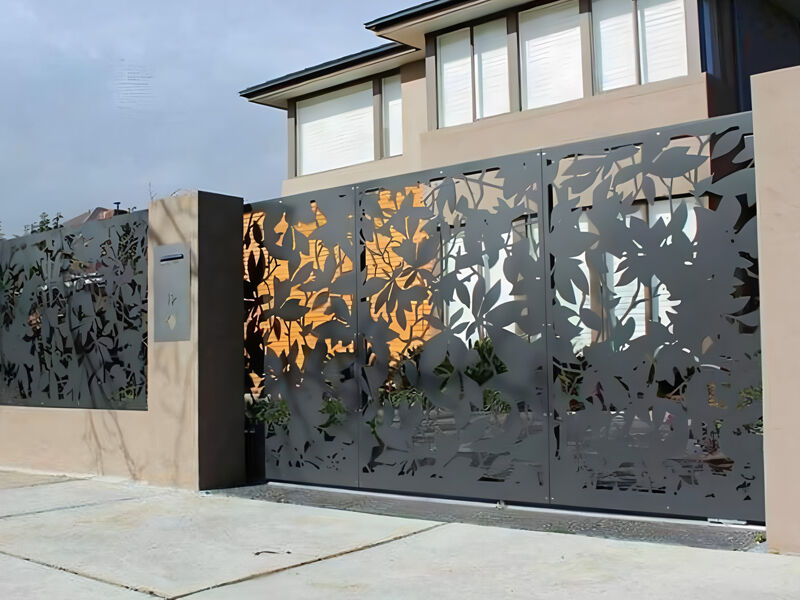
Etkili çit ekranı mahremiyetini görüş hattını kesmek için dikey yükseklik, görsel engelleme için malzeme yoğunluğu ve kapsamlı kaplama sağlamak amacıyla stratejik katmanlama olmak üzere birbiriyle bağlantılı üç ilkeyi dengelemeyi gerektirir.
Görsel İzolasyon İçin Optimal Yükseklik Eşiği (6–8 ft + stratejik yükseltilmiş konum)
Daha yüksek çitler, mülklerin istenmeyen görüşlere açılmaması için ana engel olarak durmaya devam eder. Çoğu yapı kodu, yerde ayakta duran birinin görebileceği alanı engellemek için yaklaşık altı feet (yaklaşık 1,8 metre) yükseklikte çit önerir; ancak sekiz feet (yaklaşık 2,4 metre) yükseklikli çitler genellikle balkonlar veya ikinci kat gibi daha yüksek noktalardan bakmayı engeller. Eğimli araziler ve engebeli araziler için bazı kişiler, her panelin eğimi takip ettiği ancak genel olarak sabit yükseklikte kalması sağlanan basamaklı çit sistemleri kullanır. Bu yöntem, alt kısımda büyük boşluklar bırakmadan mahremiyeti korur. Yerel kurallar çit yüksekliğini sınırlandırıyorsa (örneğin ön bahçeler için 6 feet sınırı), birçok ev sahibi yasal sınırlar içinde kalarak ekstra yükseklik kazandırmak amacıyla saksılara tırmanıcı sistemler (trellis) takma gibi akıllı çözümlere yönelir. Bu düzenlemeler genellikle yasal sınırlar içinde kalarak 12 ila hatta 18 inç (yaklaşık 30 ila 45 cm) kadar ekstra yükseklik sağlar.
Opaklık Ölçütleri: Aralıklar, Kafes Deseni ve Malzeme Doluluk Oranı ile Ekran Verimliliğinin Ölçülmesi
Opaklık, üç ölçülebilir değişken aracılığıyla görüş engelleme etkinliğini nicelendirir:
- Aralık çubuklar arasındaki boşluklar ≤2,5 cm olduğunda görüş engellenir.
- Kafes deseni çapraz örgüler, kare ızgaralara kıyasla %30 daha fazla görüş hattını engeller.
-
Malzeme doluluk oranı kompozit ve vinil malzemeler, standart ahşabın %75'lik opaklığına kıyasla ≥%95 opaklık sağlar.
Daha yüksek doluluk oranları, gizlilik performansıyla doğrudan ilişkilidir: %90+ doluluk oranı, 4,5 metre mesafede yan görüşleri engeller.
Katmanlı Ekranlama İlkesi: Katı Taban + Dikey Elemanlar + Yaşayan Tampon
Farklı malzemelerin bir araya getirilmesi, birikimli engelleme yoluyla gizliliği çoğaltır:
- Katı taban (ahşap/kompozit paneller), birincil görsel bariyeri oluşturur.
- Dikey elemanlar (kaydırılmış çubuklar veya pervazlı ekranlar) açılı görüş hatlarını bozar.
-
Yaşam tamponları (bambu/araç ağacı çitleri) kalan boşlukları emerken gürültüyü azaltır.
Bu üçlü yaklaşım, tek katmanlı sistemlere kıyasla perdeleme verimliliğini %45 oranında artırır.
Uzun Vadeli Çit Perdesi Mahremiyet Performansı İçin Malzeme Seçimi
Uzun ömürlü bir çit perdesi mahremiyeti için malzeme değerlendirilmesi yapılırken temel performans ölçütleri; çevresel stres faktörlerine karşı yapısal dayanıklılık ve sürekli opaklık korunumu içerir. 2024–2025 yıllarına ait saha verileri, uzun vadeli mahremiyet sonuçlarını doğrudan etkileyen popüler seçenekler arasındaki kritik farkları ortaya koymaktadır.
Vinil Karşılaştırması: Sedir Karşılaştırması: Kompozit — Mahremiyet Korunumu, UV Direnci ve Rüzgâr Dayanıklılığı (2024–2025 Saha Verileri)
Vinil çitler, yüzeylerinden hiçbir şey emmedikleri için beş yıl boyunca dış ortamda kalmalarına rağmen orijinal opaklıklarının yaklaşık %92'sini korurlar. Ancak sıcaklıklar şiddetli dalgalanmalar yaşadığında vinil, kompozit malzemelere kıyasla yaklaşık %15 daha fazla genleşir. Sedir doğal olarak çok şık görünür, buna hiç şüphe yoktur; ancak komşular arasında uygun mahremiyeti korumak için yılda iki kez verniklenmesi gerekir. İşlenmemiş sedir örneklerinde, sadece iki yıl içinde çarpılma nedeniyle yaklaşık %40 oranında aralık oluştuğunu gözlemledik. Kompozit çitler, dayanıklı bir ürün oluşturmak amacıyla geri dönüştürülmüş plastik ile odun parçacıklarını birleştirir. Bu malzemeler renklerini de oldukça iyi korur; 10.000 saat süren simüle edilmiş hava koşullarına maruz kaldıktan sonra bile orijinal renklerinin yaklaşık %98'ini korurlar. Ayrıca güçlü rüzgârlara da dirençlidirler ve hızları saatte 70 milin (yaklaşık 113 km/sa) üzerinde olan rüzgâr girdaplarına maruz kaldıklarında bile çok az bükülme göstererek sağlam kalırlar. Ancak en büyük avantajları, nemle başa çıkma şekilleridir. Zamanla büzülerek tutarsız bir kaplama oluşturabilen sedirin aksine kompozit malzemeler suyu hiç emmez; bu nedenle kullanım ömürleri boyunca tutarlı bir gizlilik sağlarlar.
Yaşam Duvarları ve Kamış Çitler: Çift Akustik-Görsel Avantajlar ve Kent Bakım Gerçekleri
Yeşil duvarlar ve kamış çitler, şehir alanlarına özel bir şeyler katmaktadır. Dikey bahçeler, arka plan gürültüsünü yaklaşık 8 ila 12 desibel azaltabilir ve aynı zamanda hoş bir yeşil ekran etkisi yaratabilir. Ancak bunu itiraf etmeliyiz: bu sistemler sürekli dikkat gerektirmektedir. Yaşam duvarlarının en az haftada bir sulanması ve köklerinin mevsimsel olarak kontrol edilmesi gerekir. Nem yüksek olduğunda kamış panelleri de uzun ömürlü değildir; genellikle yalnızca üç ya da dört yıl sonra tamamen yenilenmeleri gerekir. Bu nedenle birçok kişi, gerçek kamışlara benzeyen ancak çok daha az bakım gerektiren kompozit alternatiflere yönelmektedir. Bu modern seçenekler, organik karşılıklarına kıyasla yaklaşık %90 daha az bakım gerektirir ve geleneksel malzemelerin çoğunlukla yaptığı gibi çürümez.
Mevcut Çitlerin Yeniden Donatılması ile Anında Çit Ekranı Özel Alan Kazanımı
Zincir Bağlantılı Çitler İçin Özel Alan Dilimleri: Rüzgâr Yükü Güvenliği, Kurulum En İyi Uygulamaları ve Opasite Artışı (%32 – %87)
Mevcut zincir bağlantılı çitlere gizlilik parçaları eklemek, tüm çiti yeniden yerleştirmek zorunda kalmadan insanların anında gizlilik sağlamasını sağlar. Bu yeni nesil parçalar, metal bağlantılar arasındaki boşlukları kapatarak ışığı eskisine göre çok daha etkili bir şekilde engeller; görüş alanını yaklaşık %32'den yalnızca %13'e kadar düşürür. Eskiden şeffaf olan çitler, artık görüşleri oldukça iyi engelleyen bir yapıya dönüşür. Parçaları yerleştirirken, yerel rüzgârlara dayanabilmesi ve kötü hava koşullarında gevşememesi için parçaların düz dikey olarak monte edilmesi mantıklıdır. İyi bir montaj, bölgede geçebilecek her türlü fırtınadan sonra bile her şeyin güvenli kalmasını sağlar.
- Aralık Optimizasyonu : Görüş hatlarını engellemek için parçalar arasında ≤2 inç (≈5 cm) aralık bırakın
- UV-stabilize malzemeler : Solmaya dirençli polietilen veya vinil kompozit malzemeler kullanın
- Güvenilir Örgü : Parçaları sarkmayı önlemek için her eşkenar dörtgen sıraya geçerek birbirine geçirin
Rüzgâr tüneli simülasyonları, bu yöntemlerin rastgele kurulumlara kıyasla rüzgâr basıncını %42 oranında azalttığını doğrulamaktadır. Bu yenileme yaklaşımı, yeni çit inşasına kıyasla %65 daha düşük maliyetlidir ve neredeyse tam görsel gizlilik sağlar. Hızlı gizlilik kazanımına öncelik veren ev sahipleri için dilimli paneller (slat), mevcut çitin değerini maksimize ederken minimum düzeyde müdahale gerektirir.
Sıkça Sorulan Sorular
Çit yüksekliği neden gizlilik açısından önemlidir?
Çit yüksekliği, dışarıdan görüş hattını engellemeye yardımcı olması nedeniyle gizlilik açısından kritik öneme sahiptir. Daha yüksek çitler, sokak seviyesinden ve balkonlar veya ikinci kat gibi yükseltilmiş alanlardan istemsizce yapılan görüşleri önlemekte etkilidir.
Uzun vadeli gizlilik açısından bir çit malzemesini daha iyi kılan nedir?
Çevresel stres faktörlerine karşı yapısal olarak dayanıklı olan, zaman içinde opaklığını koruyan ve bakım gerektirmeyen malzemeler, uzun vadeli gizlilik açısından daha iyidir. Örneğin kompozit malzemeler, tutarlı bir ekranlama sağlar ve hava koşullarındaki değişimlere dayanıklıdır.
Katmanlama stratejileri çit gizliliğini nasıl artırır?
Katmanlama, kapsamlı örtülme sağlamak için farklı malzemelerin birleştirilmesini içerir. Sağlam bir taban doğrudan görüşleri engeller, dikey elemanlar açılı görüşleri engeller ve canlı tamponlar boşlukları doldurur ve gürültüyü azaltarak genel mahremiyeti artırır.
Organik çit seçenekleriyle ilgili bakım zorlukları var mı?
Evet, kamış çit ve canlı duvar gibi organik seçenekler düzenli bakım gerektirir; bunlar arasında sulama, mevsimsel kök kontrolleri ve yüksek nem etkilerine bağlı olarak yenilemelerin yapılması yer alır. Kompozit alternatifler ise daha az bakım gerektirir.
Mahremiyet lamaları zincir örgü çit ekranlamasını nasıl geliştirir?
Mahremiyet lamaları, zincir örgü çitin açıklıklarını doldurarak görünürlüğü azaltır ve mahremiyeti artırır. Doğru şekilde monte edildiğinde, çitin rüzgâr yükü direncini ve genel etkinliğini artırırlar.
İçindekiler Tablosu
- Çit Ekranı Mahremiyetinin Temel İlkeleri: Yükseklik, Yoğunluk ve Katmanlama
- Uzun Vadeli Çit Perdesi Mahremiyet Performansı İçin Malzeme Seçimi
- Mevcut Çitlerin Yeniden Donatılması ile Anında Çit Ekranı Özel Alan Kazanımı
-
Sıkça Sorulan Sorular
- Çit yüksekliği neden gizlilik açısından önemlidir?
- Uzun vadeli gizlilik açısından bir çit malzemesini daha iyi kılan nedir?
- Katmanlama stratejileri çit gizliliğini nasıl artırır?
- Organik çit seçenekleriyle ilgili bakım zorlukları var mı?
- Mahremiyet lamaları zincir örgü çit ekranlamasını nasıl geliştirir?