 EN
EN

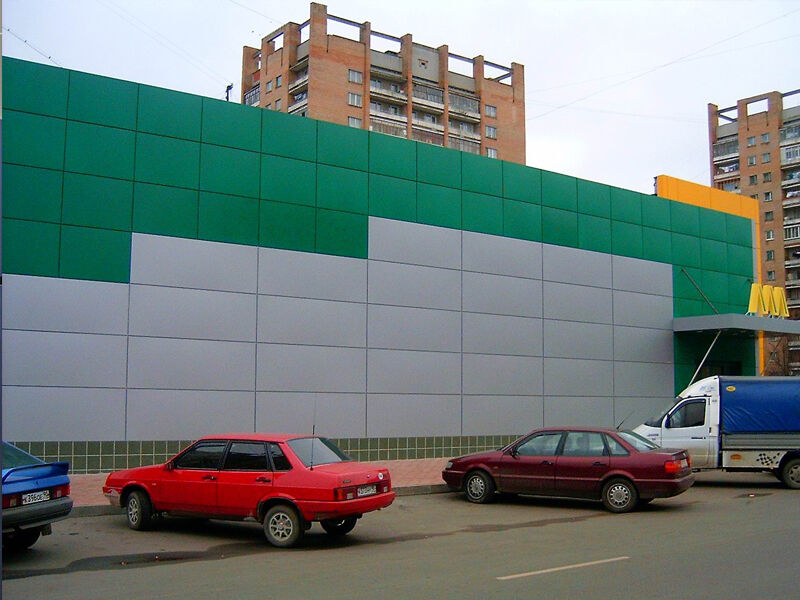
Architectural Facades and Exterior Cladding
Why Aluminium Composite Panel Is the Standard for Modern Curtain Walls
Architectural aluminium composite panels (ACP) are the global benchmark for modern curtain walls—combining structural precision, thermal performance, and aesthetic versatility. Their rigidity and dimensional stability eliminate oil-canning under wind loads, while their ultra-lightweight profile (3–8 kg/m²) reduces dead load by 40–60% compared to solid metals. This enables taller glass integrations, slimmer framing, and seamless thermal breaks. Advanced polymer-core bonding ensures stability across extreme temperatures (−50°C to +80°C), and adaptive manufacturing supports custom colours, natural-material finishes, and complex 3D geometries—all without compromising flatness or durability.
Material Advantages: Lightweight Strength, Weather Resistance, and Installation Efficiency
ACP delivers a uniquely balanced performance matrix for exterior cladding:
- Strength-to-Weight Ratio: With shear strength of 15–20 MPa and weight as low as 3 kg/m², ACP withstands seismic forces and high-impact events while enabling retrofits on structurally sensitive buildings.
- Weather Protection: Fluoropolymer coatings provide UV resistance for 25+ years with negligible fading; hydrophobic surfaces absorb <0.5% moisture and resist salt spray, acid rain, and urban pollutants.
- Installation Efficiency: Compatible with standard woodworking tools, ACP cuts labour time by 30–50% versus stone or terracotta. Integrated interlock systems ensure precise alignment and accommodate thermal expansion.
This synergy of performance and practicality translates to 60% lower lifecycle costs than concrete cladding, according to independent façade engineering analyses.
Interior Design and Decorative Cladding
Aluminium Composite Panel in Commercial Interiors: Aesthetic Flexibility and Functional Safety
In commercial interiors, ACP redefines the balance between design ambition and functional reliability. Its patented three-layer construction—two thin aluminium skins bonded to a polymer core—delivers exceptional rigidity at just one-third the weight of solid metal (67% lighter than stainless steel, per Building Materials Journal, 2023). This enables rapid installation, reduced structural reinforcement, and bold applications like freestanding partitions or sculptural ceilings. Digital printing achieves photorealistic marble, wood, or custom graphics, while non-porous, antimicrobial surface treatments support hygiene-critical environments—from restaurants to lobbies—without the bacterial retention risks of porous alternatives.
Fire-Rated and Hygienic Variants for Healthcare, Hospitality, and Retail Spaces
Sector-specific demands are met through chemically engineered variants. Fire-rated ACP replaces polyethylene cores with mineral-filled composites that achieve Class A fire performance per Global Fire Safety Standards (2024), limiting smoke density to under 50 m²/g and resisting flame spread. In healthcare settings, nano-sealed hygienic variants reduce bacterial adhesion by 89% versus PVC—validated through ISO 22196 testing. For retail and hospitality, dent-resistant surfaces endure high-traffic wear, while thermal stability across −40°C to +80°C prevents warping in kitchens or sun-drenched atriums—ensuring long-term colour fidelity and dimensional integrity.
Signage, Branding, and Display Systems
Aluminium Composite Panel as the Preferred Substrate for High-Impact Digital Printing and Modular Signage
ACP is the industry-standard substrate for premium signage due to its unmatched print fidelity, flatness, and durability. Its ultra-smooth, non-porous surface enables sharp, consistent reproduction of brand colours and fine-detail graphics—critical for corporate identity across retail, transit, and public spaces. Unlike acrylic or plywood, ACP resists UV-induced warping and colour shift, preserving visual impact in outdoor installations. Its lightweight rigidity allows rapid assembly of modular, reconfigurable systems—cutting installation time by up to 40% versus solid metals—while maintaining dimensional accuracy for seamless vinyl application and direct digital printing.
- Durability-to-weight ratio: 1.5× greater impact resistance than acrylic
- Design flexibility: Laser-cuttable and foldable for 3D lettering and custom contours
- Cost efficiency: 30% lower lifecycle costs than painted steel signage, per industry benchmarks
From wayfinding to interactive kiosks, ACP delivers high-fidelity branding with proven resilience to abrasion, weather extremes (per ISO 4892-3), and frequent handling.
Innovative and Sustainable Applications
Recycled Core Options and LEED-Eligible Designs Supporting Green Building Goals
Sustainability is embedded at the material level: modern ACP formulations incorporate recycled polyethylene cores—up to 40% post-consumer content—that maintain full structural performance while diverting waste from landfills. These options contribute directly to LEED v4.1 MR credits for building product disclosure and optimization. The lightweight nature of ACP also reduces transportation emissions by 18% versus solid metal cladding. When integrated with building-integrated photovoltaics (BIPV), ACP-supported façades demonstrate a 25% improvement in envelope energy efficiency, per 2023 building envelope studies—making them a strategic choice for net-zero-ready architecture.
Lightweight Aluminium Composite Panel in EV Infrastructure and Transportation Interiors
ACP’s 95 kg/m³ density and corrosion resistance make it ideal for next-generation mobility infrastructure. At electric vehicle charging stations, it enables rapid deployment of durable, aesthetically cohesive canopies resistant to road salts and automotive emissions. In mass transit—metro trains, electric buses, and light rail—fire-rated ACP reduces interior panel mass by 30% versus traditional composites, extending battery range by ~12 km per charge (2024 Transportation Engineering Report). Non-porous surfaces accept antimicrobial coatings validated for public transit hygiene, and standardized panel systems cut assembly time by 50% compared to welded alternatives—accelerating fleet modernization without compromising safety or service life.
FAQ
What makes Aluminium Composite Panels (ACP) ideal for modern curtain walls?
ACP combines structural precision, thermal performance, and aesthetic versatility. Its lightweight design minimizes dead load, allowing taller glass integrations and seamless thermal breaks, while advanced bonding ensures stability across extreme temperatures.
How does ACP contribute to sustainability in construction?
Modern ACP formulations incorporate up to 40% post-consumer recycled content and contribute to LEED v4.1 MR credits. Its lightweight profile also reduces transportation emissions and enhances envelope energy efficiency when used with BIPV.
What are the fire safety benefits of ACP in interior applications?
Fire-rated ACP variants achieve Class A fire performance, resist flame spread, and limit smoke density, making them suitable for healthcare, hospitality, and high-traffic environments.
Why is ACP preferred for signage and branding systems?
ACP’s ultra-smooth surface ensures sharp graphic reproduction and durability against weather and handling. Its lightweight rigidity speeds installation and supports modular signage applications.
Can ACP be used in electric vehicle infrastructures?
Yes, ACP’s corrosion resistance and lightweight properties make it ideal for EV charging stations and transit interiors, enabling durable, aesthetically cohesive designs while improving energy efficiency.
Table of Contents
- Architectural Facades and Exterior Cladding
- Interior Design and Decorative Cladding
- Signage, Branding, and Display Systems
- Innovative and Sustainable Applications
-
FAQ
- What makes Aluminium Composite Panels (ACP) ideal for modern curtain walls?
- How does ACP contribute to sustainability in construction?
- What are the fire safety benefits of ACP in interior applications?
- Why is ACP preferred for signage and branding systems?
- Can ACP be used in electric vehicle infrastructures?