 EN
EN

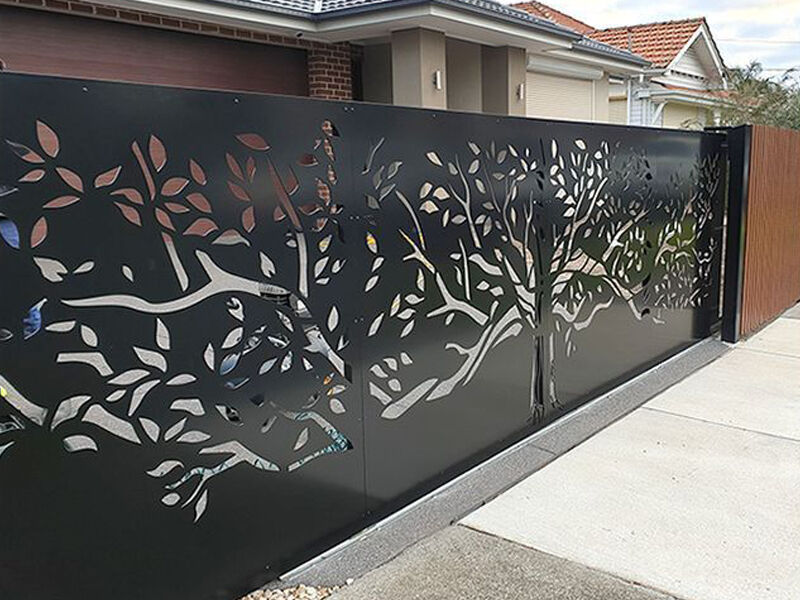
Dijagnoza i popravak sagging ili labave ograde zaslon privatnost mreža
Uzroci: UV degradacija, nepravilno početno napiranje i škropljenje materijala u polietilenskim/vinilnim zaštitnim ekranima
Rešenja: Tehnike za korak po korak i kada je zamjena privatnosti sa punim ogradom isplativ
Da bi se vratila napetost:
- Slobodi postojeće vezivače pomoću valjki sa splinom, radijući dijagonalno kako bi se napetost ravnomerno raspoređivala na ploči.
- Postepeno istežite mrežu napeta preko okvira, održavajući jednaki napon od 1520 lbprovjeren digitalnim merilom napona.
- Završi se sa UV-otpornim PVC splinom dok proveravaš elastičnost odlaska: mreža se mora ponovo otvoriti u roku od 0,5 sekundi kada se lagano pritisne.
- U slučaju da se ne primenjuje, testiranje se može provesti na osnovu podataka o ispitivanju.
Zamena postaje ekonomičnija od ponovljenog popravka kada:
- Materijal pokazuje > 30% gubitak neprozirnosti ili vidljivo kristalno oštećenje (označavajući znak napredne UV degradacije);
- Ako se ne uspije ponovo napisati u roku od tri mjeseca; ili
- Kumulativni troškovi popravka prelaze 60% nove instalacije zaštite privatnosti.
Za ekrane starije od sedam godina, potpuna zamena obično donosi 50% duži životni vek od ponovljenih popravaka po analizama troškova životnog ciklusa objavljenim u Pregled upravljanja izgradnjom .
Korigovanje neravnomernog poravnanja koji ugrožava privatnost ograde
Korenični uzroci: Post poravnanje, pomicanje stepena i neusklađenost toplotne ekspanzije između okvira i mreže privatnosti
Kada se ograde počnu izgledati neravnomjerno, obično se svodi na tri glavna problema koji rade zajedno. Prvi problem se javlja kada se stubovi ograde spoje u mekano tlo, što je posebno uobičajeno u područjima sa mnogo gline. Ova tla imaju tendenciju da se sezonski mijenjaju kako se nivo vlage mijenja, uzrokujući oko četvrt do pola inča kretanja svake godine prema izvještajima USDA-a o tlu. Drugi problem nastaje kada zemlja sama menja oblik tokom vremena. To se može dogoditi zbog erozije ili nakon što radovi uređenja pejzaža promene način na koji voda teče kroz imovinu, što stvara neravnomerne tačke stresa u različitim dijelovima ograde. Na kraju, postoji i pitanje materijala koji se razvijaju različito u toploti. Metalni okvir i plastična mreža ne reagiraju na isti način na promjene temperature. Na dane kada temperature variraju oko 40 stepeni Fahrenheita, ova razlika može zapravo isteći ili smanjivati ploče za skoro trećinu inča preko 10 metara. Svi ovi faktori zajedno uzrokuju nepravilnost i stvaraju one dosadne praznine kroz koje ljudi mogu da vide, potpuno poništavajući namjeru zaštite privatnosti.
Praktična popravka: Regulirajući sustavi za nosila i metode instalacije koje kompenzuju nivo za doslednu privatnost ograde
Tri dokazane tehnike vraćaju poravnanje bez potpune rekonstrukcije:
- Sistemi za podešavanje nosača : Reformacija slote montažne opreme omogućava do 3⁄4-inčno vertikalno/horizontalno pomeranje položaja nakon instalacije. Boltovi koji ograničavaju obrtni moment sprečavaju prekomjerno stezanje tokom sezonskih prilagođavanja, što je ključno za dugoročnu stabilnost.
- Sredstva za upravljanje brzinom : Ugao na gornjem i donjem dijelu šina omogućava do 15° varijacije nagib bez stepeništa, čime se očuva bezsmetna zaštita privatnosti preko neravnog terena.
- Termalni raspršeni praznine : Namjerno "inčni razmak između konektorskih okvira omogućava kretanje materijala, sprečavajući ljetno savijanje i gubitak napetosti zimi" potvrđeno je u terenskim ispitivanjima u USDA-ovim zonama tvrdoće biljaka 710.
Za teške nepravilne poravnanja (> 3 inča), spiralni sistem sidra stabilizuje stube u nestabilnim zemljištima po 40% nižoj cijeni od potpune zamjene po istraživanjima izvođača koji je sastavio Međunarodni savet za kod (ICC).
Rešavanje automatskih kvarova vrata koji krše privatnost ograde
Česte greške: ometanja senzora, pomicanje kalibracije i pogreške u obrtanju vrata privatnosti (po UL 325 podacima iz polja)
Automatski otkazi vrata kritično potkopavaju privatnost ograde integritet. Prema UL 325 podacima iz terena (2023), 62% neuspeha u radu proizlazi iz tri ključna pitanja:
- Radiofrekvencijska (RF) smetnja , često iz obližnjih Wi-Fi ruta ili električnih linija, ometajući infracrvene sigurnosne senzore i pokrećući lažno otkrivanje prepreke;
- Kalibracijski pomak , izazvano fluktuacijama temperature, što izloži otvorene/zatvorene pozicije za do 3 inča, stvarajući trajne praznine u provjeri privatnosti;
- Uklanjanje grešaka , gdje kapije ne zaustave nakon susreta sa otporom, dokumentovano kršenje sigurnosti u 17% incidenata i direktno kršenje kontinuiteta privatnosti.
Preventivno rekalibracija: RF zaštita i ugradnja otporna na vlagu za pouzdan rad zaštite privatnosti ograde
Studije pokazuju da se oko 90% operativnih problema može spriječiti redovnim kontrolom održavanja. Za područja u kojima se signali mogu ometati, postavljanje spojnih kutija sa odgovarajućim vremenskim zatvaranjem i bakrenim RF štitovima čini svu razliku u blokiranju neželjene okolne buke. Kada se radi o okruženjima sa visokom vlažnošću, galvanizovani čelični nosači u kombinaciji sa EPDM gumenim testikama rade čuda. Prema nedavnoj studiji iz 2023. godine, ova kombinacija smanjuje probleme kalibracije uzrokovane korozijom u oko 78% slučajeva. Ne zaboravi da zakažeš četvrtletnu rekalibraciju za ove optičke senzore koristeći lasersku opremu za poravnanje. I ne zaboravite da provjerite snagu sigurnosnog preokreta najmanje dva puta godišnje, prema smernicama ASTM F2200. Svi ovi koraci pomažu u održavanju privatnosti ograde koja ispunjava građevinske propise, a istovremeno omogućava glatke automatizirane operacije pristupa različitim tipovima objekata.
Poboljšanje otpornosti na vetar za održavanje integriteta privatnosti ograde
Dinamika napona vetra: Zašto se odvijaju privatni paneli sa 6 ft ograde i kako ih stabilizirati
Vetar vrši dinamički pritisak na ograde, a neoslanjeni 6 metarski paneli pate od neproporcionalnog skretanja zbog valova, fenomena dokumentovanog u ASCE 7-22 standardima. Pod vremenskim uslovima, topna sila vetra je 1520 psif, a inherentna fleksibilnost polietilenske mreže za privatnost pojačava kretanje, otvarajući privremene, ali ugrožavajuće praznine.
Da bi stvari bile stabilne ne treba samo da se gomila na dodatnoj težini; inženjeri moraju da razmisle o tome kako se snage vjetra raspoređuju kroz strukturu. Kada instaliramo čvrste križane podloge pod uglom od 45 stepeni između vertikalnih podloga, ono što se dešava je da se bočne sile preusmeravaju u kompresiju i napetost duž stvarnih strukturnih komponenti. Za lokacije sa mekim podlozima, pogon stubova u čvrste betonske podloge zaista pomaže da se spreči bilo kakvo okretanje. I ne zaboravite one uređaje za podešavanje napetosti koji se bore protiv postupnog istezanja materijala koje podliježu kada su izloženi stalnom pritisku vjetra. Na tvrdim površinama, ljudi često stavljaju vreće za pijesak odmah na donje zglobove da privremeno pojačaju stabilnost. Testovi su pokazali da ih može smanjiti za oko 40 posto, iako se obično brzo raspadaju kada se snažni vetrovi nastave. Za sve što treba da traje dugoročno, pametan potez je uvijek ići sa ojačanim okvirima umjesto da se oslanja na brze popravke kao što su teške baze ili krhke barijere zavjese. Te jeftine alternative samo neovlaštene lebde i ionako ostave dosadne praznine u izgledu.
- Šta? Ključne merilo pojačanja
Metoda Smanjenje deflekcije Dugotrajnost Prebacivanje 70–80% 10+ godina Sredine za podloge sa pogonom 60–75% 15+ Godina Slanjenje za vreće sa peskom 30–40% < 2 godine
Često se postavljaju pitanja o zaštiti privatnosti mreža
Šta uzrokuje slabi ili labavi ogradnja zaslona privatnosti mreža?
Slab ili labava mreža za zaštitu privatnosti ograde često je uzrokovana UV degradacijom, nepravilnim početnim napetostima i puzanjem materijala u polietilenskim/vinilnim ekranima za zaštitu privatnosti.
Kako da vratim napetost u moju privatnost?
Možete vratiti napetost oslobađajući postojeće vezivače pomoću valjaka, istežući mrežu i ponovo je čuvajući UV otpornom PVC splinom, održavajući jednako napetost.
Kada da razmislim o zameni moje ograde?
Ako se ne primeni sistem za održavanje, može se koristiti sistem za održavanje.
Kako da se pozabavim neravnomernim poravnanjem u ogradnim ekranima?
Koristite podešavne sustave za nosenje, šine za kompenzaciju stepena i praznine toplotne ekspanzije da biste riješili neravnomerno poravnanje bez potpune rekonstrukcije.
Šta uzrokuje neuspehe automatizovanih vrata i kako ih se može spriječiti?
Automatske kvarove kapije često uzrokuju RF smetnje, kalibracijski pomak i pogreške u obrtanju. Preventivne mere uključuju RF zaštitu, ugradnju otpornu na vlagu i redovno rekalibraciju.
Sadržaj
- Dijagnoza i popravak sagging ili labave ograde zaslon privatnost mreža
- Korigovanje neravnomernog poravnanja koji ugrožava privatnost ograde
- Rešavanje automatskih kvarova vrata koji krše privatnost ograde
- Poboljšanje otpornosti na vetar za održavanje integriteta privatnosti ograde
- Često se postavljaju pitanja o zaštiti privatnosti mreža