 EN
EN

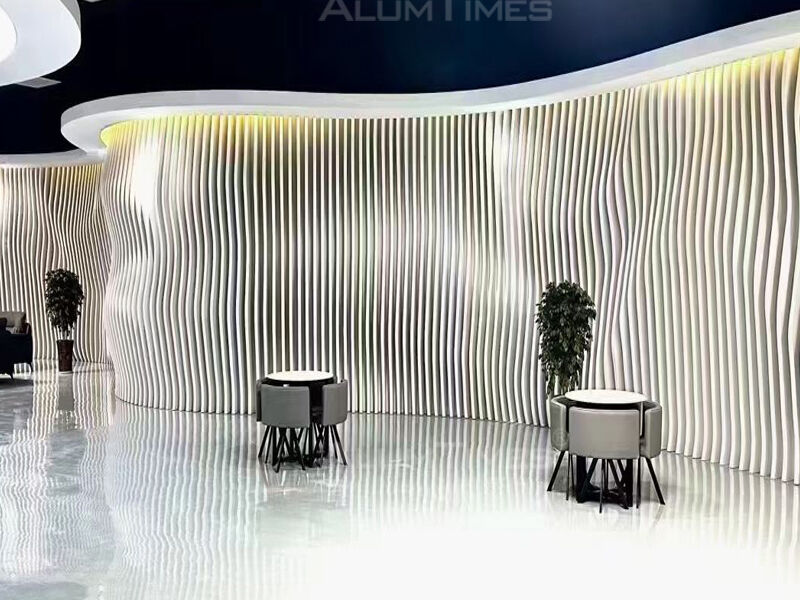
Adhesive and Anchoring Failures in Interior Decorative Baffle Wall Panels
Surface Compatibility and Adhesive Selection for Diverse Substrates
Adhesive failures in interior decorative baffle wall panels most often stem from surface incompatibility or inadequate preparation—not poor adhesive quality. Painted drywall, concrete, and metal each demand distinct bonding strategies: porous substrates benefit from high-solids contact adhesives that penetrate and anchor, while non-porous metals require flexible epoxies to accommodate thermal expansion. Without a compatibility test, two failure modes dominate—adhesive failure (clean separation at the substrate interface) and cohesive failure (rupture within the adhesive layer). Both are preventable through thorough cleaning, removal of dust and grease, and application of a substrate-specific primer. Environmental conditions during curing—especially humidity and temperature—must also inform adhesive selection. A small-scale adhesion trial before full installation remains the single most effective safeguard against panel detachment and costly rework.
Ceiling-Hung vs. Wall-Mounted Anchoring Best Practices
The choice between ceiling-hung and wall-mounted anchoring hinges on structural capacity and panel weight—not aesthetics alone. Ceiling-hung systems typically rely on toggle bolts or threaded rods anchored into ceiling joists; undersized hardware risks pull-through, particularly in drywall. For heavy acoustic baffles, self-drilling anchors into steel studs or concrete deliver superior holding strength. Wall-mounted installations commonly combine z-clips or French cleats with mechanical anchors—but using plastic anchors alone on plaster or hollow masonry invites failure under sustained tension. Best practice begins with substrate verification (drywall, brick, wood, or concrete) and matching anchor type to its certified pull-out rating. Pre-drilling pilot holes and load-testing a representative anchor ensures long-term safety and alignment integrity. Proper anchoring prevents both catastrophic detachment and subtle misalignment that degrades visual continuity across the baffle array.
Acoustic Performance Loss from Improper Placement of Interior Decorative Baffle Wall Panels
Gaps, Coverage Gaps, and Echo Amplification
Improper placement directly undermines acoustic performance—particularly when coverage gaps persist. Sound reflects unimpeded through uncovered zones, amplifying echoes and increasing reverberation time, especially in large, hard-surfaced interiors. Industry guidance—including ASHRAE’s 2023 Acoustical Design Guide—recommends a minimum of 30% ceiling coverage for meaningful absorption in typical commercial spaces. Yet coverage alone is insufficient: uneven distribution fails to intercept primary reflection paths where sound energy concentrates—such as between parallel walls or above seating zones. Gaps between panels disrupt acoustic continuity, creating localized “leakage” points that compromise system-wide performance. Strategic placement—targeting ear-level wall surfaces and overhead listening areas—ensures problematic reflections are captured where they matter most.
Orientation, Spacing, and Absorption Uniformity Errors
Orientation and spacing are not aesthetic afterthoughts—they govern acoustic efficacy. Panels installed perpendicular to dominant sound sources achieve significantly higher mid- and high-frequency absorption than haphazard or parallel configurations. Similarly, inconsistent spacing creates acoustic dead zones where reflections persist unchecked. Research published in the Journal of the Acoustical Society of America (2022) confirms that uniform inter-panel distances yield predictable, broadband absorption—tighter spacing suppresses flutter echo, while wider intervals help manage low-frequency buildup without over-damping. Deviating from engineered layouts—whether due to rushed installation or undocumented field adjustments—introduces absorption irregularities that degrade speech intelligibility and listener comfort. Manufacturer-recommended orientation and spacing should be treated as performance specifications, not suggestions.
Integration Challenges with Building Systems and Architectural Constraints
Coordinating Baffle Installations Around Sprinklers, Lighting, and Suspended Ceilings
Interior decorative baffle wall panels must integrate seamlessly with life-safety and building systems—not work around them. Sprinkler heads require unobstructed 18-inch spray patterns per NFPA 13 (2022 edition); panels blocking this zone risk code violations and compromised fire suppression. Recessed lighting and HVAC diffusers demand precise cutouts or intentional offsets—improvised trimming often leads to glare, airflow disruption, or thermal stress on adjacent materials. Suspended ceilings add another layer: baffles attached to grid systems must avoid interference with access panels, hanger wires, and structural cross-tees. These constraints are rarely apparent from architectural drawings alone. Early collaboration with MEP engineers—ideally during schematic design—enables accurate fixture mapping and avoids late-stage clashes. This coordination preserves acoustic performance, satisfies code compliance, and maintains design intent without costly field modifications.
Preventive Planning: Site Assessment and Layout Strategy for Interior Decorative Baffle Wall Panels
Proactive site assessment is the foundation of reliable baffle panel performance. Begin by evaluating structural integrity, ambient moisture levels, and substrate composition—factors that directly influence adhesive selection and anchoring strategy. Document spatial constraints comprehensively: ceiling height, obstructions (HVAC ducts, sprinkler mains, conduit runs), and architectural features like columns or soffits that affect panel placement and sightlines. Use digital modeling tools—not manual estimates—to calculate material quantities, applying a 5–10% surplus factor aligned with 2024 industry benchmarks for cutting waste and future repairs. Then develop a precise grid-based layout that defines panel orientation, spacing density, and mounting sequence—balancing acoustic requirements (e.g., reflection-point targeting) with visual rhythm and installability. This disciplined, data-informed approach prevents coverage gaps, echo amplification, substrate mismatch, and material shortages—transforming acoustic treatment from a reactive fix into a predictable, high-performance outcome.
FAQ
Why does adhesive failure occur in decorative baffle wall panels?
Adhesive failure often occurs due to surface incompatibility or inadequate preparation, rather than poor adhesive quality. Proper cleaning, priming, and testing can prevent such failures.
What factors should guide ceiling-hung vs. wall-mounted anchoring?
The choice depends on structural capacity and panel weight. Ceiling-hung systems require adequately anchored hardware into ceiling joists, while wall-mounted systems use mechanical anchors with verified substrate strength.
How does improper placement affect acoustic performance?
Improper placement creates coverage gaps that amplify echoes, disrupt acoustic continuity, and increase reverberation. Targeting reflective surfaces improves sound absorption.
Why is orientation and spacing critical for acoustic efficacy?
Orientation and spacing affect sound absorption directly. Perpendicular alignment to sound sources and consistent spacing ensure optimal acoustic performance.
How do baffles integrate with building systems?
Baffles must not obstruct critical systems like sprinklers or lighting. Collaboration with MEP engineers ensures compliance and seamless integration.
Table of Contents
- Adhesive and Anchoring Failures in Interior Decorative Baffle Wall Panels
- Acoustic Performance Loss from Improper Placement of Interior Decorative Baffle Wall Panels
- Integration Challenges with Building Systems and Architectural Constraints
- Preventive Planning: Site Assessment and Layout Strategy for Interior Decorative Baffle Wall Panels
-
FAQ
- Why does adhesive failure occur in decorative baffle wall panels?
- What factors should guide ceiling-hung vs. wall-mounted anchoring?
- How does improper placement affect acoustic performance?
- Why is orientation and spacing critical for acoustic efficacy?
- How do baffles integrate with building systems?