 EN
EN

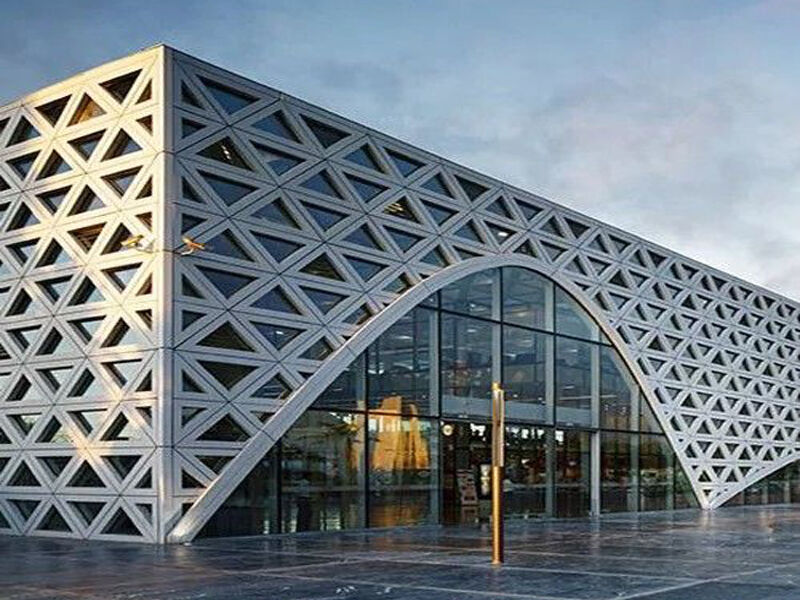
அலுமினியம் சுவர் பேனல்களின் நீடித்தன்மை மற்றும் வானிலை எதிர்ப்புத்தன்மை
பல்வேறு காலநிலைகளில் நீண்ட ஆயுள்: 20 ஆண்டு கட்டிட செயல்திறன் ஆய்வுகளின் சான்றுகள்
அலுமினியம் சுவர் பேனல்கள் வறண்ட, மிதமான மற்றும் குளிர்ந்த காலநிலைகளில் 40–50+ ஆண்டுகளுக்கு மேலான சேவை ஆயுளை தொடர்ச்சியாக வழங்குகின்றன—இது 2000 முதல் 2020 வரை உண்மையான நிறுவல்களை கண்காணித்த சக மதிப்பீடு செய்யப்பட்ட கட்டிட செயல்திறன் ஆய்வுகளால் உறுதிப்படுத்தப்பட்டுள்ளது. பாலைவன சூழல்களில், PVDF பூசப்பட்ட பேனல்கள் 15 ஆண்டுகள் தீவிர UV வெளிப்பாட்டிற்கு பிறகு 3% க்கும் குறைவான முடிவு மாற்றத்தை காட்டின. வடக்குப் பிராந்தியங்களில், பேனல்கள் வளைவு, பிளவு அல்லது கட்டமைப்பு ஒருமைப்பாட்டின் இழப்பு இன்றி உறைதல்-உருகுதல் சுழற்சிகளை எதிர்த்தன. இந்த உறுதிப்பாடு வினைல் மற்றும் மரம் போன்ற மாற்று பொருட்களை விட குறிப்பிடத்தக்க அளவில் அதிகமாகும்; இவை பொதுவாக 25–30 ஆண்டுகளுக்குப் பிறகு முழுமையாக மாற்றப்பட வேண்டும். அலுமினியத்தின் துளையில்லா மேற்பரப்பு ஈரப்பதத்தை உறிஞ்சுதலை இயல்பாகவே தடுக்கிறது மற்றும் பூஞ்சை வளர்ச்சியைத் தடுக்கிறது—இவை தாழ்ந்த பராமரிப்பு தேவையுடன் தசாப்தங்கள் வரை செயல்படுவதற்கான முக்கியக் காரணிகளாகும்.
கரையோர மற்றும் உயர் உப்பு சூழல்களில் துருப்பிடித்தல் ஆபத்துகள்
மூடப்படாத அலுமினியம் கடற்கரை சூழல்களில் பிட்டிங் துருத்தலுக்கு மிகவும் ஆபத்தானது: உப்பு நீரிலிருந்து ஒரு மைல் தூரத்திற்குள் அமைந்துள்ள கட்டிடங்களின் சுயாதீன 2024 தணிக்கைகள், தெரிவிக்கப்பட்ட பிட்டிங் துருத்தல் 5–7 ஆண்டுகளுக்குள் வளரத் தொடங்குவதைக் கண்டறிந்தன. எனினும், உயர் செயல்திறன் PVDF புளோரோபாலிமர் பூச்சுகளுடன் கூடிய நவீன அலுமினியம் காம்போசிட் மெட்டீரியல் (ACM) பேனல்கள்—70% முதல் அதிக ரெசின் செறிவில் பூசப்பட்டவை—உப்பு மூலக்கூறு மூலமான தொடர்ச்சியான வெளிப்பாட்டிற்கு கூட தொடர்ந்து 20+ ஆண்டுகள் வரை தங்கள் ஒருமைப்பாட்டை பாதுகாத்து, வலுவான எதிர்ப்பை வெளிப்படுத்துகின்றன. முக்கியமான சிறந்த நடைமுறைகளில், ஸ்டெயின்லெஸ் ஸ்டீல் பிணையும் பொருட்களைப் பயன்படுத்துதல் மற்றும் கால்வானிக் துருத்தலைத் தடுப்பதற்காக பேனல்களை சிமெண்ட்-அடிப்படையிலான ஓட்டத்திலிருந்து பிரித்தல் ஆகியவை அடங்கும்—இது கலப்பு பொருள் கட்டமைப்புகளில் முன்கூடிய தோல்விக்கு முக்கிய காரணமாகும்.
வெப்ப விரிவாக்க சவால்கள்: இணைப்புகளின் ஒருமைப்பாட்டின் மீது தாக்கம் மற்றும் சீலந்த் சோர்வு
அலுமினியத்தின் வெப்ப விரிவாக்க கெழு (10°F க்கு 0.012–0.025 அங்குலம்) கவனிப்புடன் விரிவாக வடிவமைக்கப்பட வேண்டும். போதுமான விரிவாக்க ஏற்பாடுகள் இல்லாதது பேனல் முனைகளில் சீலந்த் தோல்விக்கு வழிவகுக்கிறது — இது எட்டு ஆண்டுகளுக்குப் பிறகு, தவறாக வடிவமைக்கப்பட்ட 45% திட்டங்களில் ஆவணப்படுத்தப்பட்டுள்ளது. மீண்டும் மீண்டும் வெப்ப சுழற்சிகள் ஒட்டும் பொருளின் பிணைப்புகளையும் பலவீனப்படுத்துகின்றன, இது பேனல்கள் பிரிவதற்கான அபாயத்தை அதிகரிக்கிறது. சுற்றுச்சூழல் முறையின் ஒருங்கிணைப்பைப் பாதுகாக்க, பொறியாளர்கள் ஒவ்வொரு 20 அடிக்கும் வெளிப்புற விரிவாக்க இணைப்புகளை குறிப்பிடுகின்றனர், மேலும் ≥50% இயக்கத்திற்கு தகுதியுள்ள நெகிழ்வான சிலிக்கான் சீலந்த்களை பயன்படுத்துமாறு கட்டளையிடுகின்றனர். விரிவாக்க முரண்பாடுகள் கட்டமைப்பு அமைப்புகளை முறிவுறச் செய்யும்போது, பேனல் மாற்றச் செலவுகள் 300% வரை அதிகரிக்கலாம், இது ஆரம்ப வடிவமைப்பு மற்றும் நிறுவலின் துல்லியத்தின் முக்கியத்துவத்தை வலியுறுத்துகிறது.
அலுமினியம் சுவர் பேனல்களின் கலைநய செயல்திறன் மற்றும் மேற்பரப்பு கட்டுப்பாடுகள்
துளையிடுதல், கீறல் மற்றும் இயந்திர மேற்பரப்பு சீர்கேடுக்கு உள்ளாகும் போக்கு
தூய்மையான வரிகள் மற்றும் பிரதிபலிக்கும் முடிவுகளுக்காக மதிப்பிற்குரியதாக இருந்தாலும், அலுமினியத்தின் ஒப்பீட்டளவில் குறைந்த கடினத்தன்மை (எஃகு அல்லது ஃபைபர்-சிமெண்டை விட) அதனை இயந்திர சேதத்திற்கு உள்ளாக்குகிறது. பனிக்கட்டிகள், விழுந்த கருவிகள் அல்லது கட்டுமான எச்சங்கள் போன்றவற்றால் ஏற்படும் 25 ஜூல் வரையிலான தாக்கங்கள்—குறிப்பாக அதிக பயன்பாடு உள்ள அல்லது வெளிப்படையாக வெளிப்படும் முகப்புப் பகுதிகளில்—அடிக்கடி நிரந்தரமான குழிகள் அல்லது கீறல்களை ஏற்படுத்துகின்றன. இந்த சேதம் தோற்ற தொடர்ச்சியை மட்டுமல்லாமல், பாதுகாப்பு முடிவுகளையும் பாதிக்கலாம்; இது கச்சா உலோகத்தை வெளிப்படுத்தி, உள்ளூர் வினைக்கு வழிவகுக்கிறது. பெரிய பேனல் பரப்புகள் மேலும் வளைவு தாங்குதலைக் குறைத்து, தாக்கத்திற்கு அதிக உணர்திறனை ஏற்படுத்துகின்றன. நேரடியான ஆய்வு மற்றும் சீரமைப்பு நடைமுறைகள் நீண்ட காலத்திற்கு தோற்ற செயல்திறனை பராமரிக்க அவசியமாகும்.
பெரிய முகப்புகளில் நிறம் மங்குதல், முடிவு ஒழுங்குமுறை மற்றும் உருமை கட்டுப்பாடுகள்
பெரிய முகப்புகளில் ஒருவிதமான தோற்றத்தை அடைவது தொடர்ந்து ஒரு சவாலாகவே உள்ளது. புறஊதா வெளிச்ச வெளிப்பாடு கணிசமான நிற மாற்றத்தை ஏற்படுத்துகிறது—உயர் சூரிய ஒளி தீவிரத்தின் காலநிலைகளில் 10 ஆண்டுகளில் ΔE இல் 20% வரை மாற்றம் ஏற்படுகிறது, இதில் இருண்ட நிறங்கள் மிகவும் பாதிக்கப்படுகின்றன. PVDF பூச்சு பயன்பாட்டில் தொகுதி-தொகுதி வேறுபாடுகள் தற்செயலாக தெரியக்கூடிய நிற முரண்பாடுகளை உருவாக்கும், குறிப்பாக பல உற்பத்தி சுழற்சிகளிலிருந்து பேனல்கள் வாங்கப்படும்போது. மேற்பரப்பு வடிவமைப்பு விருப்பங்களும் அதேபோல் கட்டுப்படுத்தப்பட்டுள்ளன: எம்பாஸ்ட் (embossed) அல்லது பிரஷ்ட் (brushed) வடிவங்கள் 4-அடி அகலத்தை மீறும்போது பொதுவாக சீம் (seam) தெரிவது தவிர்க்க முடியாததாகிறது, இது ஒருமுக வடிவமைப்புகளுக்கான வடிவமைப்பு நெகிழ்வுக்கு வரம்பு விதிக்கிறது. மீண்டும் பூசுதல்—சாத்தியமானால்—விலை அதிகமானதாக இருக்கிறது; சராசரியாக $18/சதுர அடி, இது முன்கூட்டியே கண்டிப்பான தன்மை வரையறை மற்றும் தரக் கட்டுப்பாட்டின் அவசியத்தை மீண்டும் வலியுறுத்துகிறது.
அலுமினியம் சுவர் பேனல்களுக்கான நிறுவல் சிக்கல்கள் மற்றும் நீண்டகால பராமரிப்பு தேவைகள்
இடத்தில் கையாளுதல், எடை திறன் மற்றும் பேனல் மாற்றத்தின் நடைமுறை சாத்தியம்
அலுமினியம் சுவர் பேனல்கள், ஒப்பனையான எஃகு மூடுதலை விட தோராயமாக 50% குறைவான எடையைக் கொண்டுள்ளன, இது கட்டமைப்பு சுமை தேவைகளையும், அடித்தளச் செலவுகளையும் குறைக்கிறது. அவற்றின் மாடுலார் (தனித்தனி பொருத்தக்கூடிய) தன்மை இலக்கு வைத்த சரிசெய்வுகளை ஆதரிக்கிறது: சேதமடைந்த பகுதிகளை, அருகிலுள்ள பேனல்களை அகற்றாமலேயே தனித்தனியாக மாற்றிட முடியும்—இது கிளிப்-அடிப்படையிலான பொருத்துதல் முறை பயன்படுத்தப்படுமானால் மட்டுமே. இருப்பினும், இந்த நன்மை முதல் நிறுவலின் துல்லியத்தைச் சார்ந்துள்ளது; தவறாக சீரமைக்கப்பட்ட கிளிப்கள் வலுவூட்டல் முறையில் வலுவூட்டல் மையங்களை உருவாக்குகின்றன, இது வானிலை எதிர்ப்புத்தன்மையை பாதிக்கிறது மற்றும் சோர்வை விரைவுபடுத்துகிறது. பெரிய அளவிலான பேனல்கள் நிறுவல் போது பழுதடைவதைத் தவிர்க்க சிறப்பு ரிக்கிங் மற்றும் காற்று-விழிப்புணர்வு கையாளுதல் நடைமுறைகளை தேவைப்படுத்துகின்றன—இது பொதுவாக தளத்தில் மீண்டும் செய்யப்படும் வேலைக்கு முக்கிய காரணமாக உள்ளது.
நீர் ஊடுபுகுதல் அபாயங்கள் மற்றும் இணைப்பு முறைகளை முறையாக முடக்குதலுக்கான துல்லியத் தேவைகள்
நீர் ஊடுபுகுதல் என்பது அலுமினியம் கிளேடிங் அமைப்பு தோல்விக்கு மிகவும் பொதுவான காரணமாகும், இது கட்டிடக்கலை வழக்கு ஆய்வுகளில் ஆவணப்படுத்தப்பட்ட ஈரப்பதம் தொடர்பான சுற்றுச்சூழல் சிக்கல்களில் 63% ஐ விளக்குகிறது. இணைப்புகளை முடிக்கும் போது மில்லிமீட்டருக்கு கீழான துல்லியம் தேவைப்படுகிறது—குறிப்பாக மூலைகள், துளைகள் மற்றும் மாற்ற இடங்களில்—அலுமினியம் அடிப்பரப்புகளுடன் ஒத்துப்போகும் உயர் ஒட்டுதல் பாலிசல்ஃபைட் அல்லது சிலிக்கான் சீலந்துகளைப் பயன்படுத்தி. வெப்ப சுழற்சிகள் சீலந்துகளின் வயதாதலை முடுக்குகின்றன, எனவே தண்ணீர் கசிவைத் தடுக்கும் தன்மையை பராமரிக்க இரண்டு ஆண்டுகளுக்கு ஒருமுறை கண்ணுக்குத் தெரியும் ஆய்வுகளும், 5–8 ஆண்டுகளுக்கு ஒருமுறை திட்டமிடப்பட்ட மீண்டும் சீல் செய்தலும் மிகவும் முக்கியமானவை. கேஸ்கெட் அழுத்த தோல்விகள் இன்றும் மிகவும் பலவீனமான புள்ளிகளாகவே உள்ளன, இது நீண்டகால சுற்றுச்சூழல் நம்பகத்தன்மையை தீர்மானிப்பதில் பொருள் தேர்வு மட்டுமல்லாமல், திறமையான கைவினையும் முக்கியமானது என்பதை வலியுறுத்துகிறது.
அலுமினியம் சுவர் பேனல்களின் செலவு-திறன் மற்றும் பாதுகாப்பு கவனிப்புகள்
அலுமினியம் சுவர் பேனல்கள், எடை-சார்ந்த கட்டமைப்பு சேமிப்புகள் மற்றும் விரைவான நிறுவல் ஆகியவற்றின் மூலம் கட்டுமான வாழ்க்கைச் சுழற்சியில் கவர்ச்சிகரமான மதிப்பை வழங்குகின்றன. அவற்றின் குறைந்த நிறை அடித்தளம் மற்றும் கட்டமைப்பு தேவைகளைக் குறைக்கிறது—இது சிமெண்ட் மற்றும் சுவர் கட்டுமானத்தை விட 20% வரை கட்டமைப்பு வலுவூட்டல் செலவுகளைக் குறைக்கிறது. பணியிடத்தில் உற்பத்தித்திறன் மேம்பாடுகளும் அதே அளவில் முக்கியமானவை: தரநிலையாக்கப்பட்ட பேனல் தயாரிப்பு மற்றும் எளிதில் கையாளக்கூடிய இலேசான எடை ஆகியவை பாரம்பரிய மேற்பூச்சு முறைகளை விட 30% வரை திட்ட நேரத்தைக் குறைக்க உதவுகின்றன. நீண்டகால பராமரிப்பு அலுமினியத்தின் இயல்பான துரு எதிர்ப்புத்தன்மையால் குறைக்கப்படுகிறது—இது இரும்பு அடிப்படையிலான உலோகங்களுடன் பொதுவாக ஏற்படும் துரு நீக்கம் மற்றும் மீண்டும் பூசுதல் போன்ற மீண்டும் மீண்டும் தேவைப்படும் பராமரிப்பு செயல்பாடுகளை நீக்குகிறது. பாதுகாப்பு அடிப்படையில், அலுமினியம் எரியாத பொருளாகும் மற்றும் ASTM E84 வகுப்பு A தீ செயல்திறன் தேவைகளை பூர்த்தி செய்கிறது. அதன் நெகிழ்வுத்தன்மை பூகம்ப விளைவுகளுக்கு எதிரான தாங்குதலையும் மேம்படுத்துகிறது, இதில் கட்டுப்படுத்தப்பட்ட வடிவ மாற்றம் பேரழிவுக்கு இடமின்றி ஆற்றலை உறிஞ்ச உதவுகிறது. இந்த அனைத்து பண்புகளும் சேர்ந்து, மூன்றாம் தரப்பு கட்டுமான திறன் பகுப்பாய்வுகளால் உறுதிப்படுத்தப்பட்டபடி, 20 ஆண்டுகள் காலத்திற்கு மொத்த உரிமையாளர் செலவில் 15–25% வரை குறைப்பை ஆதரிக்கின்றன.
அடிக்கடி கேட்கப்படும் கேள்விகள்
அலுமினியம் சுவர் பேனல்களின் வழக்கமான சேவை ஆயுள் என்ன?
அலுமினியம் சுவர் பேனல்கள் 40–50+ ஆண்டுகள் வரையிலான சேவை ஆயுளை வழங்குகின்றன, மேலும் பல்வேறு காலநிலைகள் மற்றும் சுற்றுச்சூழல் அழுத்தங்களை எதிர்கொள்ள வல்லவை.
அலுமினியம் சுவர் பேனல்கள் கடற்கரை சூழல்களில் துருப்பிடிப்பைத் தடுக்கின்றனவா?
பூசப்படாத அலுமினியம் கடற்கரை பகுதிகளில் துளை துருப்பிடிப்புக்கு உள்ளாகும். எனினும், PVDF ஃப்ளோரோபாலிமர் பூச்சுடன் கூடிய பேனல்கள் 20+ ஆண்டுகள் வரை துருப்பிடிப்பை எதிர்கொள்ள வல்லவை.
அலுமினியம் சுவர் பேனல்கள் எதிர்கொள்ளும் வடிவமைப்பு சவால்கள் யாவை?
அலுமினியம் பேனல்கள் குறிப்பாக பெரிய முகப்புகளில் குழிவுகள், நிறம் மங்குதல் மற்றும் PVDF பூச்சுகளில் நிறத்தின் ஒத்திசைவின்மை போன்றவற்றால் பாதிக்கப்படலாம்.
நீர் உள்ளே புகுதல் சிக்கல்களை எவ்வாறு தடுக்கலாம்?
உயர் ஒட்டுமை சீலந்து பொருட்களுடன் சரியான இணைப்பு சீலிங் மற்றும் தொடர்ச்சியான ஆய்வுகள் அலுமினியம் கிளேடிங்கில் பொதுவாகக் காணப்படும் நீர் உள்ளே புகுதல் சிக்கல்களைத் தடுக்க உதவும்.
அலுமினியம் சுவர் பேனல்கள் செலவு சம்பந்தப்பட்ட வகையில் பயனுள்ளவையா?
ஆம், இவை குறைந்த கட்டமைப்பு தேவைகள், மிகக் குறைந்த பராமரிப்பு மற்றும் ASTM E84 வகுப்பு A தீ பாதுகாப்பு தரத்திற்கு ஏற்ப இயங்குவதன் மூலம் வாழ்நாள் செலவு சேமிப்பை வழங்குகின்றன.
உள்ளடக்கப் பட்டியல்
- அலுமினியம் சுவர் பேனல்களின் நீடித்தன்மை மற்றும் வானிலை எதிர்ப்புத்தன்மை
- அலுமினியம் சுவர் பேனல்களின் கலைநய செயல்திறன் மற்றும் மேற்பரப்பு கட்டுப்பாடுகள்
- அலுமினியம் சுவர் பேனல்களுக்கான நிறுவல் சிக்கல்கள் மற்றும் நீண்டகால பராமரிப்பு தேவைகள்
- அலுமினியம் சுவர் பேனல்களின் செலவு-திறன் மற்றும் பாதுகாப்பு கவனிப்புகள்
-
அடிக்கடி கேட்கப்படும் கேள்விகள்
- அலுமினியம் சுவர் பேனல்களின் வழக்கமான சேவை ஆயுள் என்ன?
- அலுமினியம் சுவர் பேனல்கள் கடற்கரை சூழல்களில் துருப்பிடிப்பைத் தடுக்கின்றனவா?
- அலுமினியம் சுவர் பேனல்கள் எதிர்கொள்ளும் வடிவமைப்பு சவால்கள் யாவை?
- நீர் உள்ளே புகுதல் சிக்கல்களை எவ்வாறு தடுக்கலாம்?
- அலுமினியம் சுவர் பேனல்கள் செலவு சம்பந்தப்பட்ட வகையில் பயனுள்ளவையா?