 EN
EN

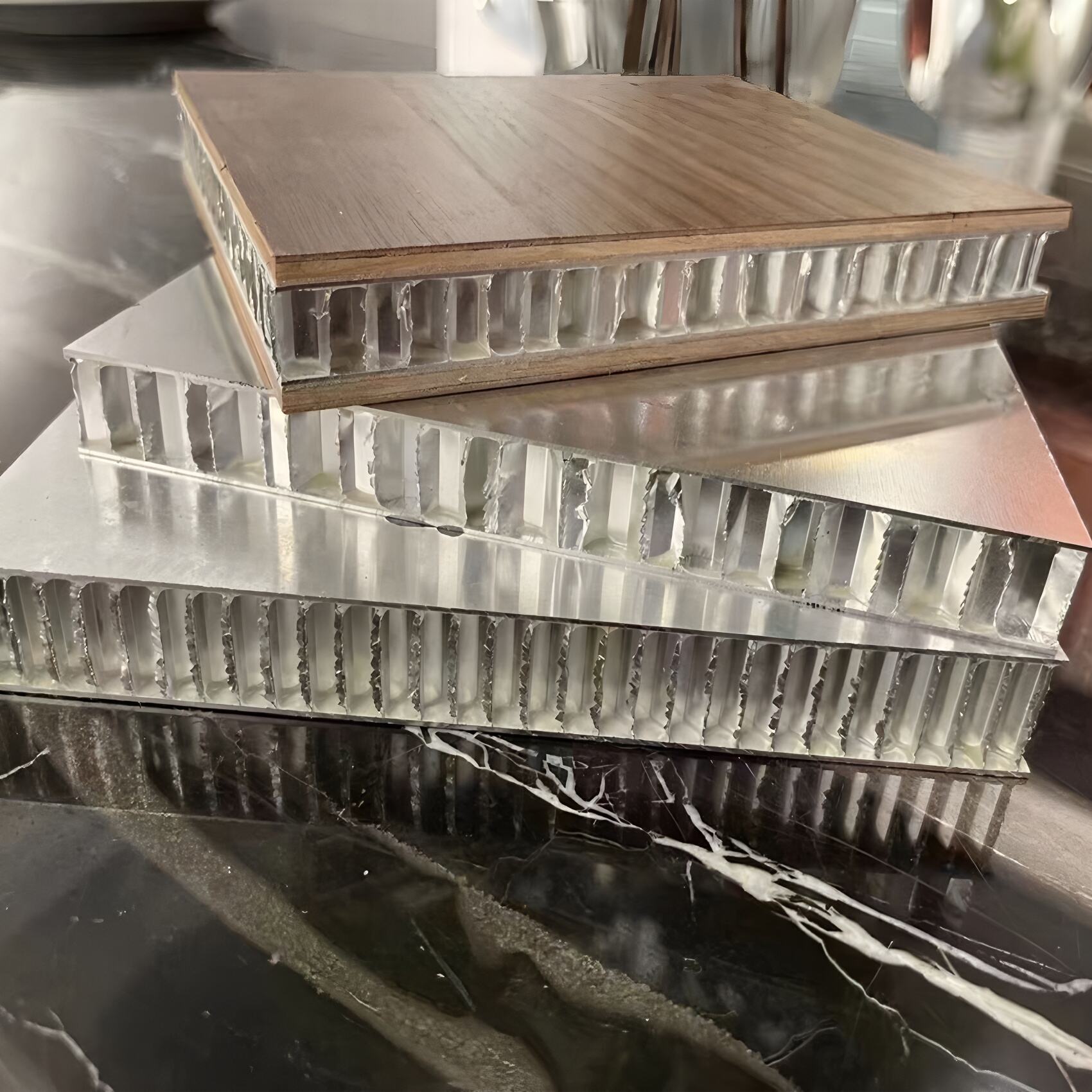
Hoekom sesghoekige aluminium liggewig-strukturele ingenieurswese opnuut definieer
Ongeëwenaarde Sterkte-ten-opgewig-verhouding en Laai-dra-effektiwiteit
Sesghoekige aluminium bereik 'n uitstekende sterkte-teen-woonverhouding deur sy seskantige sellulêre geometrie, wat spanning oor duisende mikroselle versprei om plaaslike mislukking onder saampersing of buiging te voorkom. Lugvaartgraad-variante toon tot 65% hoër spesifieke sterkte as massiewe aluminium—wat vervoertoepassings in staat stel om voertuigmassa met 15–30% te verminder sonder dat botsveiligheid gekompromitteer word. Sy oop-selargitektuur vergemaklik ook die integrasie van kabels en pype, wat monteekompleksiteit verminder. Belangrik is dat energie-absorpsie in impakgevalle 300% hoër is as dié van massiewe panele, wat dit ideaal maak vir vliegtuigvloere en hoë-besigheidsargitektoniese installasies wat vibrasieverminderingsvermoë vereis. Hierdie geoptimaliseerde belasting-teen-massa-profiel ondersteun beide prestasieverbeterings en volhoubaarheidsdoelwitte in nuwe-generasie industriële ontwerp.
Korrosiebestandheid, Vlamwerksvermoë en Omgewingsbestandheid
Aluminium se natuurlike oksiedlaag bied inherente weerstand teen chemiese afbreek en blootstelling aan soutwater, wat langtermyn strukturele integriteit in aggressiewe omgewings verseker. Vuurtoetse bevestig smeltpunte bo 600°C—twee keer so hoog as dié van strukturele polimere—sonder enige toksiese emissies tydens verbranding. Gestandaardiseerde weerbestendigheidstudies toon minder as 5% eienskapsafbreek na tien jaar se UV-blootstelling, wat dit beter laat vaar as organiese komposiete wat geneig is tot verskraling. Geslote-sel variante keer heeltemal vogopname teë, wat die risiko van roes en skimmel in infrastruktuur wat aan vloed onderwerp is, elimineer. Met bedryfsstabiliteit van −50°C tot 300°C en meer as 95% herwinbaarheid verminder heuningkoek-aluminium die lewenssiklus-koolstofvoetspoor met 40% in vergelyking met rou-aluminium—wat dit ’n toekomsveilige keuse maak vir kusinfrastruktuur, EV-batteryhuisings en fasiliteite wat aan streng vuur- en omgewingskode onderwerp is.
Nuutgenerasie Heuningkoek-aluminiumargitekture
Hierargiese en Bio-geïnspireerde Ontwerpe vir Aanpasbare Styfheid
Ingenieurs tree verder as konvensionele heuningraatstrukture met hierargiese, multi-skaalargitekture wat deur beentrabekulae en plantvasculatuur geïnspireer word. Deur die dikte van selwande oor mikro- en makroskale te wissel, bereik hierdie bio-geïnspireerde ontwerpe 'n 40% hoër spesifieke styfheid as standaardpaneel. Sulke aanpasbaarheid maak rigtingsgebonde styfheidsbeheer moontlik—krities vir lugvaartvlerkkomponente wat buigsame gehoorsaamheid vereis en seismiesbestandige gevels wat beheerde vervorming benodig. Die fraktal-agtige verstewing onderdruk ook katastrofiese kraakvoortplanting onder herhaalde belasting, wat die vermoeiingslewe in dinamiese toepassings verbeter.
Auxetiese Meetkundes wat Impakabsorpsie in EV- botsingsone verbeter
Auxetiese (negatiewe Poisson-se verhouding) heuningkoekaluminium—wat uitstaan vir sy inwaartse selgeometrieë—krimp inwards tydens impak, wat 'n 57% groter drukweerstand bied as tradisionele seskantige kerne (Yang et al., 2018). Hierdie beheerde, laag-vir-laag-instorting absorbeer kinetiese energie doeltreffend in battery-omhulsels en voorste krimpone gebiede. Vir elektriese voertuie—waar battery-pakke ongeveer 30% meer massa byvoeg in vergelyking met interne-verbrandingsvoertuie—laat hierdie argitektuur gelyktydige gewigvermindering en botsingsgelding toe, terwyl dit ook termies gevaarlike selbarstings tydens botsings voorkom.
Heuningkoekaluminium in die innovasie van elektriese voertuie: Chassis, omhulsels en battery-termiese-bestuur
Gewigvermindering sonder kompromie: Toepassings vir chassis en battery-omhulsels
Sesghoekige-aluminiumstruktuur lewer beduidende massa-besparings in EV-onderstelle en batterykaste sonder om dimensionele stabiliteit of botsbestandheid te kompromitteer. Die sesghoekige kern absorbeer impakkrigte terwyl strukturele kontinuïteit bewaar word—wat motorvervaardigers in staat stel om die batterykapasiteit met 12–15% te verhoog binne bestaande voertuigafmetings. Volgens navorsing deur SAE International verbeter elke 10%-vermindering in voertuigmassa die energie-effektiwiteit met 6–8%, wat direk die ryafstand uitbrei en die laaifrekwensie verminder.
Passiewe battery-termiese-bestuur via konvektiewe kanale in sesghoekige-kern-sandwitspaneel
Die inherente sellulêre struktuur skep natuurlike vertikale konveksiebane wat passiewe termiese regulering vergemaklik. Hitte styg deur die seskantige kanale op en versprei via omgewingslugvloei—wat die behoefte aan pompe, koelmiddel of aktiewe verkoelingstegnologieë elimineer (18–22 kg bespaar per voertuig). Veldtoetse toon dat batteryhuisvestings met heuningkoekkern ‘n piektemperatuurverlaging van 19°C tydens vinnige laai-siklusse bewerkstellig, terwyl dit konsekwent optimale bedryfstemperatuurgebiede van 25–35°C handhaaf en sodoende batterylewensduur en -veiligheid verbeter.
VEE
Wat is die hoofvoordeel van heuningkoekaluminium in strukturele ingenieurswese?
Heuningkoekaluminium bied ‘n uitstekende sterkte-teenoor-gewigsverhouding deur spanning doeltreffend oor die seskantige selle te versprei. Dit verbeter die volharding, verminder die gewig en behou ‘n hoë lasdra-vermoë, wat dit ideaal maak vir toepassings soos lugvaart, motorvervaardiging en argitektuur.
Hoekom word heuningkoekaluminium as omgewingsvriendelik beskou?
Met 'n herwinninggraad van meer as 95%, verminder heuningkoorsaluminium die koolstofvoetspoor oor die lewensiklus met 40% in vergelyking met rou aluminium. Sy weerstand teen korrosie en lang lewensduur verminder ook afval en die behoefte aan vervanging met tyd.
Hoe dra heuningkoorsaluminium by tot botsingsveiligheid vir elektriese voertuie?
Die materiaal se unieke seskantige en auxetiese geometrieë stel dit in staat om impak doeltreffend te absorbeer deur elke laag na binne te vou. Hierdie eienskap voorkom gevaarlike breek van batteryelle terwyl botsingsvereistes steeds nagekom word.
Kan heuningkoorsaluminium ekstreme toestande weerstaan?
Ja, heuningkoorsaluminium bly bedryfsstabiel binne 'n temperatuurreeks van −50°C tot 300°C, wat dit duursaam maak teen vuur, UV-blootstelling en vogopname.
Hoe verbeter heuningkoorsaluminium batterytermiese-bestuur in EV's?
Die seskantige strukture skep natuurlike konveksiekanaaltjies wat hitte passief reguleer, wat ingewikkelde verkoelsisteme uitskakel en optimale batterytemperature verseker vir langer doeltreffendheid en veiligheid.
Tabel van inhoud
- Hoekom sesghoekige aluminium liggewig-strukturele ingenieurswese opnuut definieer
- Nuutgenerasie Heuningkoek-aluminiumargitekture
- Heuningkoekaluminium in die innovasie van elektriese voertuie: Chassis, omhulsels en battery-termiese-bestuur
-
VEE
- Wat is die hoofvoordeel van heuningkoekaluminium in strukturele ingenieurswese?
- Hoekom word heuningkoekaluminium as omgewingsvriendelik beskou?
- Hoe dra heuningkoorsaluminium by tot botsingsveiligheid vir elektriese voertuie?
- Kan heuningkoorsaluminium ekstreme toestande weerstaan?
- Hoe verbeter heuningkoorsaluminium batterytermiese-bestuur in EV's?