 EN
EN

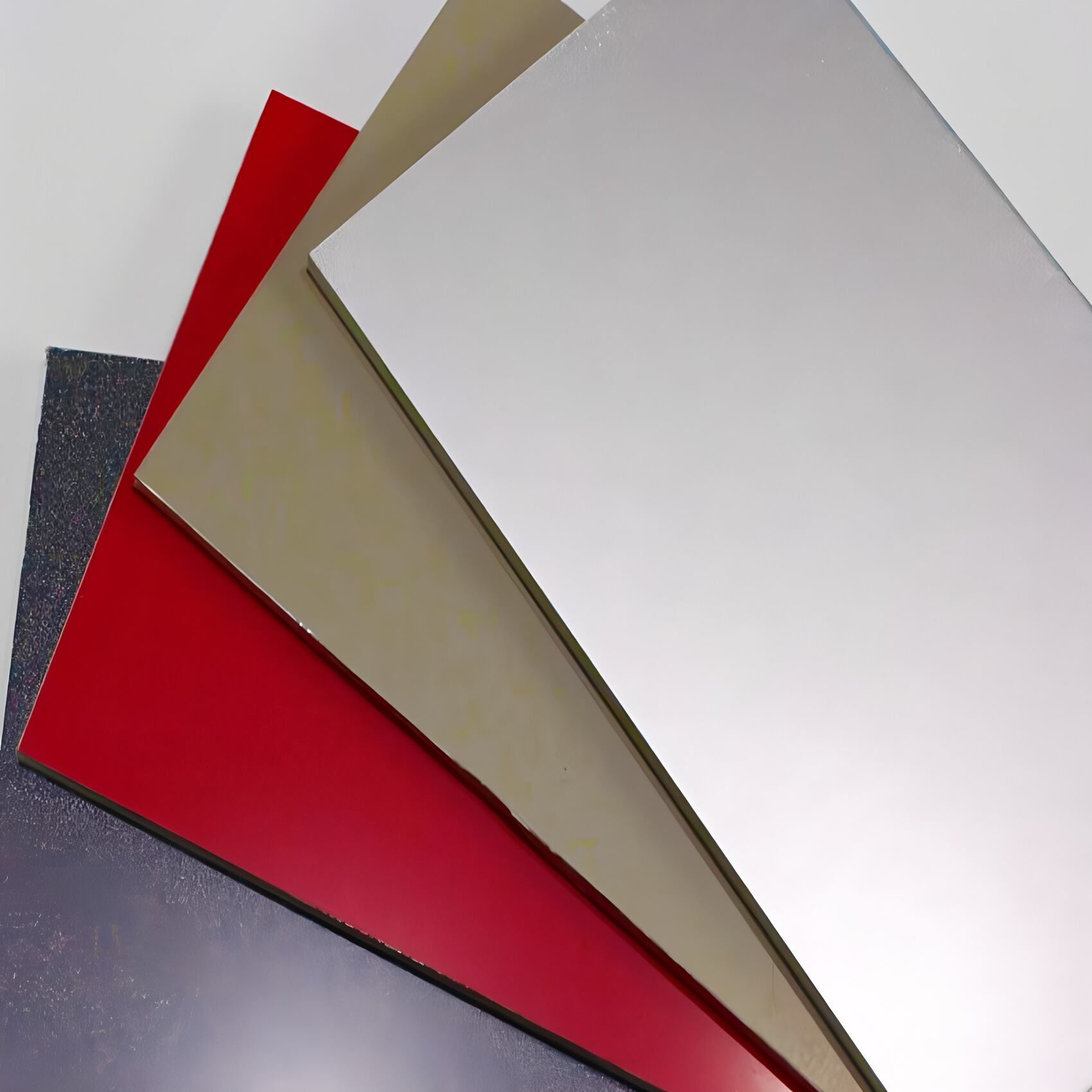
Ventajas de rendimiento de los paneles compuestos de aluminio perforados
Ventilación natural mejorada en fachadas ventiladas
Paneles compuestos de aluminio perforados permitir el flujo de aire pasivo a través de fachadas ventiladas, aprovechando patrones estratégicos de perforación para impulsar la refrigeración por convección. Esto reduce las temperaturas internas hasta en 8 °C en climas cálidos y disminuye la demanda de refrigeración mecánica en un 20–30 %. Al minimizar la acumulación de humedad y mejorar la calidad del aire interior —sin comprometer el desempeño estructural—, el sistema favorece edificios más saludables y resilientes. Los arquitectos ajustan las relaciones de área abierta (típicamente del 15 al 40 %) para alinear la eficiencia de ventilación con la intención estética y las condiciones climáticas regionales.
Control preciso de la luz y optimización de la luz diurna
La precisión geométrica de las perforaciones convierte estos paneles en moduladores dinámicos de la luz diurna. Los patrones personalizados de perforaciones reducen el deslumbramiento entre un 40 % y un 60 %, manteniendo una transmisión de luz visible superior al 70 %. Al combinarse con estantes de luz, redirigen la luz solar hacia los techos, mejorando la uniformidad de la iluminación y reduciendo el uso de iluminación artificial hasta en un 45 %, lo que constituye un factor clave para cumplir con los requisitos de ENERGY STAR®. El rendimiento se ajusta mediante tres parámetros:
- Densidad de perforaciones , que dispersa la luz directa intensa en proporciones más elevadas
- Orientación del panel , donde las instalaciones en ángulo optimizan la captación estacional de la luz diurna
- Materiales de respaldo , como membranas difusoras de luz que mejoran la uniformidad luminosa
Rendimiento acústico y mecanismos de absorción sonora
Los paneles compuestos de aluminio perforados funcionan como absorbentes resonantes de alto rendimiento basados en los principios de la resonancia de Helmholtz. Con núcleos de lana mineral, ensayos de laboratorio confirman coeficientes de reducción acústica (NRC) superiores a 0,85, lo que significa que absorben más del 85 % de la energía sonora incidente. Instalados como baffles acústicos, reducen el tiempo de reverberación un 50 % en espacios de gran volumen, como auditorios. Su absorción multicapa actúa en todo el espectro de frecuencias:
- Resonancia de las perforaciones dirigida al ruido de media frecuencia (500–2000 Hz)
- Absorción porosa la disipación de las altas frecuencias procede del respaldo fibroso
-
Barrera de masa las carcasas de aluminio bloquean la transmisión de bajas frecuencias
Este enfoque integrado alcanza valores de STC superiores a 35, lo que los hace especialmente eficaces en entornos urbanos densos próximos a corredores de transporte.
Eficiencia energética y atributos sostenibles
Reducción de la carga del sistema HVAC mediante roturas térmicas integradas
Los paneles compuestos de aluminio perforados reducen las cargas de calefacción y refrigeración mediante una tecnología integrada de rotura térmica. Una capa central no conductora crea barreras continuas de aislamiento que reducen los puentes térmicos hasta en un 60 % en comparación con los revestimientos metálicos macizos, según el Building Science Journal (2023). Las perforaciones mejoran aún más la regulación térmica al permitir un flujo de aire controlado en la cámara trasera, evitando la acumulación de calor sin comprometer la resistencia a las inclemencias meteorológicas. Cuando se integran con sistemas de aislamiento de alto rendimiento, proyectos reales informan ahorros energéticos en los sistemas HVAC del 15–30 %, aportando un valor cuantificable en climas con diferencias extremas de temperatura.
Reciclabilidad, baja energía incorporada y contribución a LEED
La reciclabilidad infinita del aluminio sustenta el perfil de sostenibilidad de estos paneles: el aluminio reciclado conserva el 95 % de sus propiedades originales y requiere solo el 5 % de la energía necesaria para su producción primaria. Según informa el Instituto Internacional del Aluminio (2024), su carbono incorporado es inferior a 8 kg CO₂e/m². La recuperación al final de su vida útil supera el 85 %, ya que las láminas de aluminio y los núcleos poliméricos se separan limpiamente durante el reciclaje. Estos atributos apoyan la certificación LEED en múltiples categorías, incluidos los créditos por contenido reciclado (típicamente del 40 al 70 %), materiales regionales, optimización energética e innovación en estrategias integradas de iluminación natural y ventilación natural.
Versatilidad arquitectónica y opciones de personalización
Flexibilidad de diseño mediante patrones de perforación, dimensiones y acabados superficiales
Los paneles compuestos de aluminio perforado ofrecen una latitud de diseño excepcional a través de geometrías personalizables, rangos dimensionales y tratamientos de superficie. Los arquitectos seleccionan entre patrones de perforación redondos, cuadrados, ranuras o a medida para dar forma al ritmo visual, la transmisión de la luz y el comportamiento del flujo de aire. Los diámetros de los agujeros abarcan de 1 mm a 20 mm, dispuestos en densidades de 10% a 70% permiten un ajuste preciso de la transparencia, la acústica y el control solar. Las opciones de superficie incluyen recubrimientos PVDF en más de 200 colores RAL, acabados metálicos texturizados y capacidades de impresión digital para la integración fotográfica o gráfica. Esta adaptabilidad permite una aplicación perfecta en todos los contextos, desde fachadas corporativas de marca hasta lugares culturales expresivos, manteniendo la integridad estructural, la resistencia a las condiciones climáticas y la durabilidad a largo plazo.
Sección de Preguntas Frecuentes
¿Qué son los paneles compuestos de aluminio perforados?
Son paneles compuestos de aluminio con perforaciones estratégicamente colocadas, diseñados para funciones como una ventilación mejorada, el control de la luz natural y la absorción acústica.
¿Cómo mejoran los paneles perforados la eficiencia energética?
Los paneles incorporan roturas térmicas y reducen la acumulación de calor mediante un flujo de aire controlado, disminuyendo el consumo energético del sistema de calefacción, ventilación y aire acondicionado (HVAC) hasta en un 30 %.
¿Pueden estos paneles contribuir a las certificaciones de edificación sostenible?
Sí, su reciclabilidad, su bajo contenido energético incorporado y sus características compatibles con LEED los convierten en una opción ideal para la construcción sostenible.
¿Cuáles son las opciones de personalización disponibles?
Los arquitectos pueden elegir entre diversos patrones de perforación, tamaños y acabados superficiales, como recubrimientos de PVDF, texturas metálicas e impresión gráfica.
¿Cómo mejoran el rendimiento acústico?
Mediante mecanismos como la resonancia de Helmholtz y la absorción porosos, alcanzan altos valores de NRC y STC para una mitigación eficaz del ruido.